Brunei Versus Mozambique: A Comparative Insight Through Their National Flags
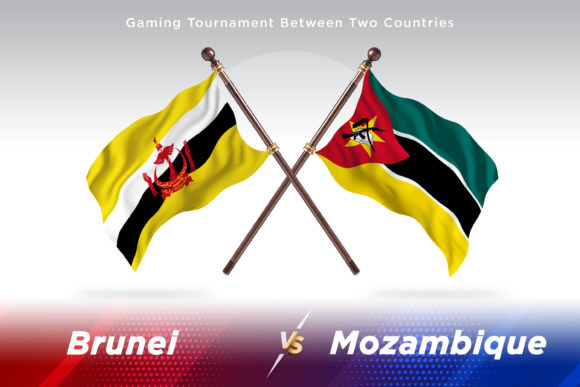
National flags are more than just symbols; they are visual representations of a country's identity, history, and values. When comparing two distinct nations like Brunei and Mozambique, their flags offer an accessible yet profound way to understand their unique cultural and political narratives. The Brunei versus Mozambique Two Flags concept illustration provides an excellent opportunity to explore these differences in depth. This article delves into the design elements, symbolism, and real-world applications of both flags, highlighting how such illustrations can be used effectively in educational, commercial, and creative contexts.
The Significance of National Flags
National flags serve as powerful emblems that evoke pride, unity, and recognition. They are often used in international events, media, and branding to represent a country without the need for words. In the case of the Brunei versus Mozambique Two Flags illustration, the contrast between the two designs reflects the diversity of global identities.
Each flag is crafted with precision and placed on its own layer in high-resolution formats (PSD, JPEG, PNG) to ensure flexibility and clarity when using it in digital or print projects. The 3D waving effect enhances realism, making the flags visually engaging while maintaining their symbolic integrity.
Design and Symbolism of the Brunei Flag
The flag of Brunei Darussalam features a white crescent moon and four white stars on a red field. These elements are centered within a yellow diagonal stripe that divides the flag into two equal parts. The red color symbolizes courage and bravery, while the white represents peace and purity. The yellow stripe signifies the monarchy and the wealth of the nation, particularly from oil and gas resources.
The crescent moon and stars together form the coat of arms of Brunei, which has deep Islamic and royal connotations. As a constitutional sultanate, Brunei integrates these symbols to reflect both its religious foundation and monarchical governance. Understanding the meaning behind each element helps users appreciate the cultural context when incorporating the flag into their designs.
Design and Symbolism of the Mozambique Flag
In stark contrast, the flag of Mozambique consists of a green triangle on the hoist side and a golden-yellow horizontal stripe across the center of a maroon background. The triangle contains a black isosceles triangle, a hoe, and an axe crossed over a red star. These symbols convey the country's journey through struggle and triumph.
Green represents the lush forests and agriculture, maroon stands for the blood shed during the fight for independence, and yellow symbolizes mineral wealth. The tools (hoe and axe) highlight the importance of labor and the agrarian roots of the nation, while the red star embodies socialism and national aspirations. This layered symbolism makes the Mozambique flag a compelling subject for analysis and design work.
Comparing Brunei and Mozambique Flags
While the flags of Brunei and Mozambique differ significantly in appearance and symbolism, they both serve as national icons that embody their respective histories and values. The Brunei flag emphasizes tradition, religion, and sovereignty, whereas the Mozambique flag highlights revolution, resilience, and progress.
Visually, the Brunei flag is symmetrical and minimalist, focusing on central imagery. Mozambique’s flag, on the other hand, is dynamic and packed with meaningful elements arranged in a triangular format. This difference in layout and complexity allows designers to use them in various ways—whether for juxtaposition in educational materials or for storytelling in multimedia content.
Use Cases for the Brunei Versus Mozambique Two Flags Illustration
- Education and Research: Teachers and students can utilize this illustration to compare political systems, cultural backgrounds, and historical developments between the two countries. It serves as a visual aid that simplifies complex geopolitical topics.
- Media and Journalism: News outlets and documentary producers often require accurate and professional flag illustrations to accompany reports about international relations, sports events, or diplomatic meetings.
- Graphic Design and Branding: The layered PSD file allows for easy customization. Designers can edit smart objects to add logos, text, or integrate the flags into larger compositions such as infographics or presentations.
- Travel and Tourism: Brochures, maps, and promotional material can benefit from the inclusion of well-organized flag illustrations to help travelers distinguish between destinations and learn basic cultural facts.
- Corporate Presentations: Businesses engaged in international trade or partnerships can use the flags to emphasize cross-cultural collaboration and regional awareness.
Technical Advantages of the Flag Bundle
This particular illustration set includes one PSD file at 4500 x 3000 pixels, along with JPEG and PNG versions, offering versatility for different platforms and resolutions. The layers are clearly named and organized, which is especially beneficial for professionals who may want to modify individual components without affecting the rest of the image.
By isolating each flag on its own layer, the bundle supports advanced editing workflows. For instance, you could change the background to match your project's theme or adjust the lighting to fit specific aesthetic requirements. Smart object integration ensures scalability and maintains quality even after resizing or repositioning.
Practical Applications in Creative Workflows
For creators working on comparative studies, the Brunei versus Mozambique Two Flags illustration can be the centerpiece of a broader visual narrative. Whether designing a poster for a geography class, preparing slides for a conference on Southeast Asian and African economies, or crafting a logo that represents dual heritage, this resource offers a solid foundation.
Additionally, educators can use the flags as part of interactive learning modules where students analyze the colors, shapes, and symbols of different nations. Researchers might include them in reports discussing post-colonial symbolism or the role of national identity in modern geopolitics.
Considerations When Using Country Flags in Design
When working with official country flags, accuracy is paramount. Even minor deviations in color or shape can lead to misrepresentation or offense. The Official Country Flags included in this bundle are designed to meet international standards, ensuring that they are both respectful and authentic.
Another important consideration is context. Flags should be used appropriately, especially in sensitive or formal environments. The illustration’s clean and isolated background makes it suitable for a wide range of applications, from casual social media posts to professional publications.
If your project requires additional flags not present in the current bundle, it is always best to request those specifically. Having access to a comprehensive collection of world flags enables richer storytelling and more informed comparisons, particularly when dealing with multiple regions or cultures.
Enhancing Global Awareness Through Visual Media
Visual representations like the Brunei versus Mozambique Two Flags illustration play a crucial role in fostering global awareness. In today’s interconnected world, understanding the nuances of different cultures and nations is essential for effective communication and collaboration.
These illustrations also help in breaking down stereotypes by showcasing the actual symbols and colors associated with a country. Rather than relying solely on written descriptions, people can instantly recognize and relate to the visual cues embedded in national flags.
Conclusion Through Application
The practical utility of the Brunei versus Mozambique Two Flags illustration extends beyond mere aesthetics. It is a tool for education, a medium for storytelling, and a resource for professional design needs. Its well-structured layers and high-resolution output make it ideal for anyone looking to incorporate accurate and adaptable flag graphics into their work.
As we continue to navigate an increasingly globalized landscape, the ability to visually represent and differentiate between countries becomes more valuable. This illustration exemplifies how thoughtful design can support deeper understanding and appreciation of national identities around the world.