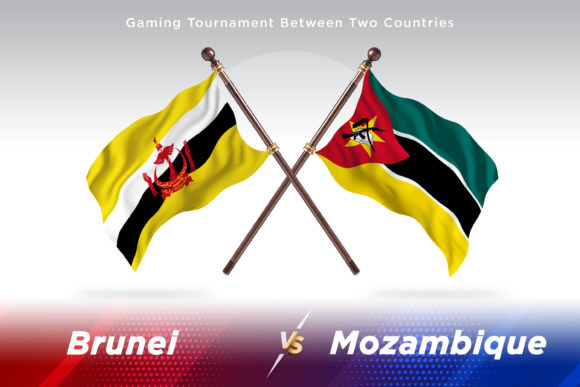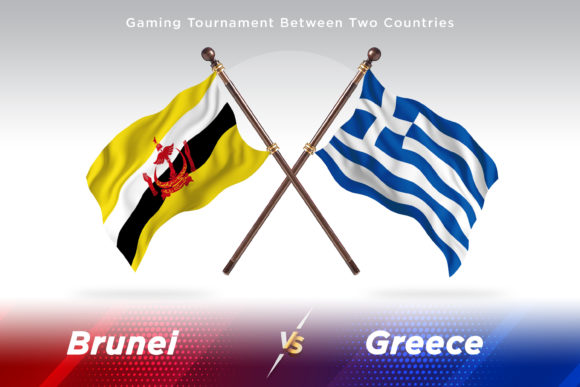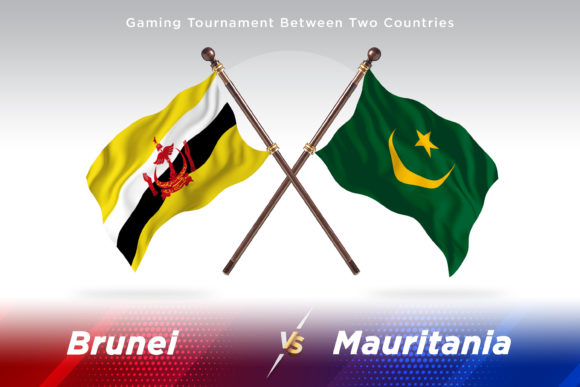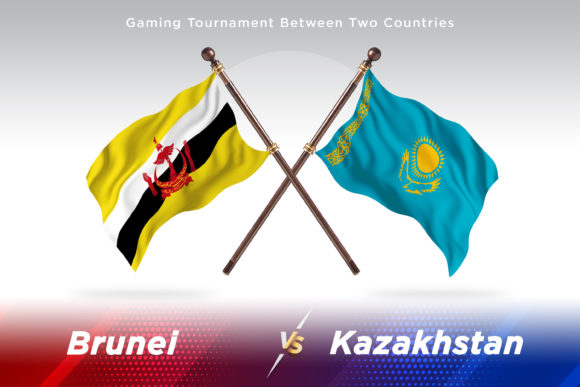
Brunei Versus El Salvador: A Comparative Overview of Two Diverse Nations and Their Flags
When exploring the global landscape, it is fascinating to compare countries that differ significantly in geography, culture, economy, and political systems. Brunei and El Salvador are two such nations—separated by continents, traditions, and development trajectories. One is a small but affluent sultanate in Southeast Asia, while the other is a Central American republic with a rich history shaped by colonialism and revolution. This article delves into the unique identities of Brunei and El Salvador, highlighting their flags as symbols of national pride and unity.
Geographical and Political Contexts
Brunei, officially known as the Nation of Brunei, the Abode of Peace, is a sovereign state located on the island of Borneo. It is landlocked by Malaysia and is one of the smallest countries in Southeast Asia. With a population of approximately 450,000 people, Brunei is known for its oil wealth, Islamic heritage, and stable monarchy under the Sultan. The country maintains a parliamentary system but operates under absolute monarchy principles.
El Salvador, in contrast, is the smallest and most densely populated nation in Central America. Located between Guatemala and Honduras, it has a diverse topography ranging from coastal plains to mountainous highlands. With over 6 million residents, El Salvador is a democratic republic characterized by a vibrant cultural identity and a turbulent historical past, including civil conflict in the late 20th century. Its government is structured around three branches: executive, legislative, and judicial.
Cultural and Historical Foundations
The cultural fabric of both countries is deeply rooted in their histories. Brunei’s society is heavily influenced by Islam, which plays a central role in governance and daily life. The country has preserved many traditional customs and practices, making it a unique blend of modernity and tradition. In El Salvador, Spanish colonization left a lasting imprint, especially in language and religion. However, indigenous influences and post-colonial struggles have also contributed to a distinct national character.
Flags as National Symbols
National flags serve as powerful visual representations of a country’s identity. For both Brunei and El Salvador, their flags reflect historical narratives, cultural values, and aspirations for the future.
The Flag of Brunei
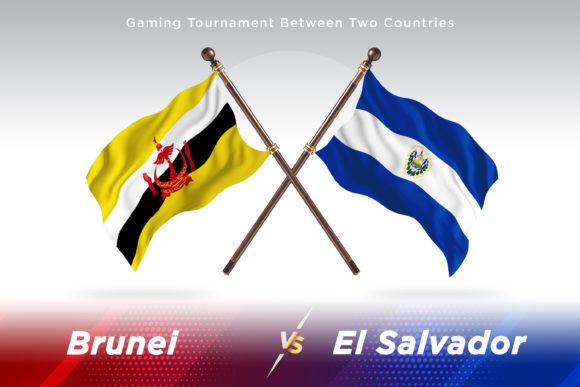
The flag of Brunei consists of four white stars and a crescent on a red background, all enclosed within a yellow field. The design was adopted in 1959 and has since become a symbol of the nation’s sovereignty and Islamic faith. The four stars represent the four pillars of the Malay Islamic Monarchy (Melayu Islam Beraja), while the crescent symbolizes progress and enlightenment. The flag is often used in official capacities, public events, and international representation to showcase the country's unity and heritage.
The Flag of El Salvador
The flag of El Salvador features a horizontal tricolor of blue, white, and blue, with five gold stars centered in the white band. The colors were inspired by the French tricolor and symbolize the sky and sea of the Pacific Ocean (blue), peace (white), and the five provinces that formed the Republic in 1824. The stars themselves represent these founding provinces and the country’s commitment to unity and independence. Unlike Brunei’s flag, which emphasizes religious and monarchical symbolism, El Salvador’s flag is more focused on the ideals of liberty and territorial integrity.
Design and Usage of Country Flags
Flags are not only symbolic but also functional tools used in various contexts—from branding and education to media and graphic design. Professionals and creators working with country flags need access to high-quality, well-structured assets to ensure accuracy and flexibility. Resources such as Brunei versus El Salvador Two Flags provide designers with comprehensive illustrations of flags, each placed on its own layer and named accordingly for easy editing and manipulation.
These digital assets typically come in formats like PSD, JPEG, and PNG, allowing for seamless integration into different projects. The use of smart objects in the PSD file ensures that users can modify elements without compromising the quality of the original design. Whether you're creating educational materials, marketing campaigns, or infographics, having access to clean and scalable flag designs is essential for maintaining professionalism and clarity.
Applications in Graphic Design and Media
In the realm of graphic design, using accurate and visually appealing flags is crucial. The Official Country Flags concept illustration included in the Brunei versus El Salvador Two Flags bundle provides an excellent starting point for creators looking to highlight these two countries. The illustration is rendered in 3D waving position, giving the flags a dynamic and realistic appearance. This makes them suitable for presentations, posters, web banners, and even animations where motion adds value.
Moreover, the isolated background allows for greater creative freedom. Designers can place the flags against any backdrop, whether it's a solid color, pattern, or image, depending on the project's requirements. The layered structure of the PSD file ensures that each flag remains independent, facilitating quick edits and adjustments. This level of detail is particularly beneficial when designing content for international audiences or when comparing multiple countries side by side.
Educational and Business Use Cases
For educators, incorporating country flags into teaching materials helps students visualize and understand global diversity. When discussing topics like geography, politics, or world cultures, showing the Brunei flag next to the El Salvador flag offers a tangible way to illustrate differences in regional characteristics and historical backgrounds. These flags can be part of interactive learning modules, classroom posters, or digital slideshows.
Business owners and marketers also benefit from using authentic country flags in their work. Companies operating internationally may use them to represent markets or regions in reports, presentations, and promotional materials. Additionally, travel agencies, tourism boards, and event planners frequently utilize country flags to create engaging visuals that resonate with their target audiences. The ability to edit these flags via smart objects means businesses can customize them to fit brand guidelines or specific themes without losing quality.
Comparative Insights and Considerations
While both flags are visually striking and rich in meaning, they differ in design philosophy and usage. The Brunei flag is more intricate, featuring Islamic motifs and royal symbolism, whereas the El Salvador flag is simpler, focusing on foundational elements of the republic. Understanding these distinctions can help professionals and hobbyists choose the right representation for their purposes.
It is also important to consider the cultural context when using country flags. Inappropriate placement or misrepresentation can lead to misunderstandings or offense. Therefore, using resources like Brunei versus El Salvador Two Flags ensures that the flags are depicted accurately and respectfully. These files are ideal for those who want to maintain high standards of authenticity and detail in their work.
Expanding the Collection: Beyond Brunei and El Salvador
If your project requires more than just the Brunei and El Salvador flags, there are options available to expand the collection. Many design bundles include additional flags from around the world, enabling users to explore global comparisons or represent a wider range of countries in their work. This flexibility is especially valuable for creators involved in international storytelling, research visualization, or multicultural design projects.
For instance, a designer working on a map-based infographic might need flags from neighboring countries to add depth and context. Similarly, an educator preparing a lesson on global economies could benefit from including flags of other resource-rich or developing nations alongside those of Brunei and El Salvador. The availability of such resources encourages informed and inclusive design choices.
Technical Features and File Types
The Brunei versus El Salvador Two Flags package includes a variety of file types to suit different needs:
- PSD (4500 x 3000 px): Ideal for advanced editing, this format supports layers and smart objects for precise customization.
- JPEG: Best suited for print and online use where transparency isn’t required.
- PNG: Offers transparent backgrounds, making it perfect for overlaying on complex or colorful designs.
Each file is optimized for clarity and scalability, ensuring that the flags remain sharp and recognizable across various mediums. The layered structure of the PSD file is particularly advantageous for designers who want to isolate individual elements—such as the crescent in Brunei’s flag or the stars in El Salvador’s—for further modification or animation.
Practical Examples of Use
Consider a scenario where a researcher is compiling a report on economic development in different regions. By including the Brunei flag and the El Salvador flag in a comparative chart, the researcher can immediately convey the geographical and political diversity of the case studies. Similarly, a business owner launching a product in both Southeast Asia and Central America might use the flags in marketing materials to signal local relevance and cultural awareness.
Hobbyists and enthusiasts can also leverage these flag illustrations for personal projects. Whether creating a travel journal, a custom poster, or a digital scrapbook, having access to professional-grade flag assets enhances the overall aesthetic and credibility of the work. The ability to manipulate smart objects opens up creative possibilities, allowing users to experiment with layouts, colors, and compositions.
Ensuring Readability and Accessibility
When using country flags in visual communication, readability and accessibility should not be overlooked. High-resolution images like those found in the Brunei versus El Salvador Two Flags package help maintain clarity, even when printed or displayed at large sizes. Additionally, providing alternative text descriptions or captions for each flag can make digital content more accessible to individuals with visual impairments.
Designers should also consider color contrast and legibility when placing flags on different backgrounds. Ensuring that the flags stand out clearly is essential for effective communication, especially in educational or informational settings where the goal is to inform rather than confuse.
Conclusion
The Brunei versus El Salvador Two Flags resource is more than just a visual tool—it is a gateway to understanding and representing the unique identities of two culturally and geographically distinct nations. Whether you are a designer, educator, marketer, or hobbyist, having access to well-organized, high-quality flag illustrations elevates the professionalism and impact of your work. As the world becomes increasingly interconnected, accurate and thoughtful representation of countries through their flags plays a vital role in fostering mutual respect and global awareness.