Brazil Versus Holy See Flags: A Comparative Analysis of National Symbols and Their Design Applications
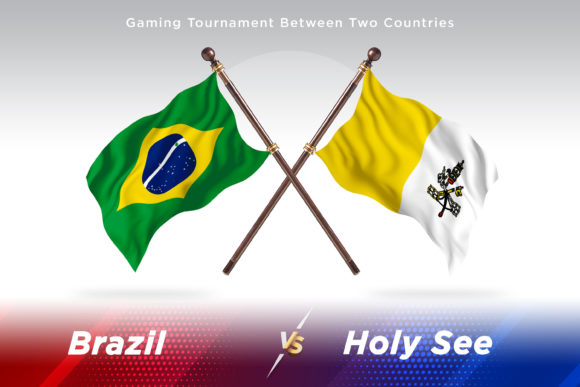
National flags serve as powerful visual representations of a country's identity, history, and values. The Brazil flag and the Holy See flag are two such symbols that reflect their respective nations' unique cultural and political backgrounds. When exploring these flags in the context of design—particularly through illustrations like "Two Countries Flags versus Background" or isolated 3D waving positions—their distinct characteristics become even more apparent. This article delves into the symbolism, design elements, and practical applications of both flags, with a focus on how they can be utilized effectively in creative projects.
Symbolism Behind the Brazil Flag
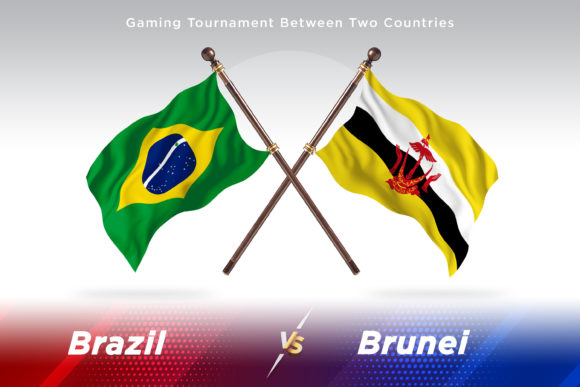
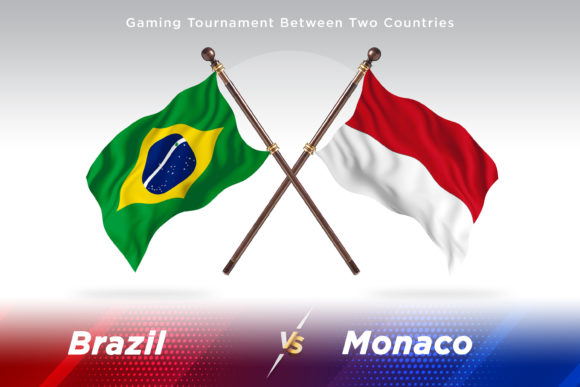
The national flag of Brazil is rich in meaning and has evolved over time to represent the country’s heritage and aspirations. It features a green field with a large yellow diamond at its center, inside which lies a blue circle with 27 white five-pointed stars and a white band across the middle bearing the national motto "Ordem e Progresso" (Order and Progress) in bold letters. The colors and elements of the flag have deep roots:
- Green symbolizes the lush forests of Brazil, particularly the House of Bragança, from which Emperor Pedro I hailed.
- Yellow represents the country’s mineral wealth and also the House of Vargas, another historical royal family.
- Blue stands for the skies over Rio de Janeiro when the flag was first adopted, and it encloses a constellation map reflecting the sky on November 15, 1889, the day the republic was declared.
- White Stars denote each Brazilian state and the Federal District.
- White Band serves as a canvas for the national motto, emphasizing Brazil’s commitment to progress and organization.
This intricate design makes the Brazil flag not only a national symbol but also a compelling subject for digital illustration and graphic design. Its detailed layout and vibrant colors offer ample opportunity for creative expression.
Understanding the Holy See Flag
In contrast to the Brazil flag, the flag of the Holy See is relatively simple yet deeply symbolic. It consists of two equal vertical bands of yellow and violet, with the crossed keys of Saint Peter and the Tiara of the Pope centered in the middle. The colors and emblems carry significant religious and historical connotations:
- Yellow represents the golden keys of St. Peter, signifying divine authority and faith.
- Violet symbolizes the spiritual power and sovereignty of the Church.
- The Keys and Tiara are traditional symbols of papal authority, dating back centuries.
The Holy See flag is often used in religious contexts, international diplomacy, and Vatican-related events. Its minimalist aesthetic allows it to stand out visually, making it an excellent candidate for layered design work where clarity and symbolism are key.
Comparative Visual Design Elements
When comparing the Brazil flag and the Holy See flag side by side, several differences emerge that influence their use in visual media:
- Color Complexity: The Brazil flag uses multiple colors and shapes in a single composition, whereas the Holy See flag employs a limited color palette with a central emblem.
- Layering Potential: Because the Brazil flag contains numerous elements, including a complex star pattern and text, it offers greater layering possibilities in design software like Photoshop. Each element can be manipulated independently, allowing for dynamic visual effects.
- Historical Context: The Holy See flag reflects a long-standing tradition rooted in Christian theology and ecclesiastical governance, while the Brazil flag tells a story of transition from monarchy to republic.
- Size and Shape: Both flags are rectangular, but the Brazil flag tends to be more visually expansive due to its larger number of components.
These distinctions make each flag suitable for different types of design applications. For example, the Brazil flag might be ideal for high-detail illustrations or animations that showcase movement and depth, while the Holy See flag could work well in more subdued, elegant designs that prioritize symbolism over complexity.
Flags in Isolated Background Illustrations
The concept of isolating flags on transparent or neutral backgrounds is widely used in graphic design for various purposes, including presentations, marketing materials, educational resources, and website headers. In the case of the "Brazil Versus Holy See Flags" illustration, having each flag on its own layer provides designers with flexibility in adjusting opacity, blending modes, and positioning.
Isolated flags allow for easy comparison and analysis. Whether you're creating a visual guide for geography students or designing a logo that incorporates national symbols, this approach ensures clarity and adaptability. Additionally, using flags in a "versus" format can help highlight contrasts in design philosophy, cultural representation, and historical significance between the two nations.
3D Waving Flag Position and Real-World Use Cases
A 3D waving position for flags adds a sense of realism and dynamism to any project. This technique is especially effective when illustrating concepts like international relations, sports events, or tourism campaigns. The ability to render flags in motion enhances engagement and visual storytelling.
For the Brazil flag, a 3D waving effect can emphasize its vibrant energy and diversity, making it a popular choice for promotional content related to cultural festivals or global sporting events. The Holy See flag, with its simpler form, may appear more dignified and solemn when animated in 3D, fitting well in religious or diplomatic contexts.
Designers working with these flags in 3D formats should consider lighting, perspective, and texture to create a realistic appearance. Proper attention to detail ensures that the final product remains respectful and accurate to the original flag design.
Smart Objects and Layer Organization in Flag Design
One of the most valuable aspects of modern flag design bundles is the use of smart objects in Adobe Photoshop. This feature allows users to scale and modify individual layers without losing quality. When working with the Brazil and Holy See flags, smart objects ensure that resizing or applying filters maintains the integrity of the flag's details.
Well-organized layers are crucial for efficiency. Each flag being on its own layer with proper naming conventions makes editing straightforward. Designers can adjust colors, add shadows, or integrate additional elements without disrupting the overall composition. This level of control is essential for professionals who need to produce high-quality outputs quickly and accurately.
Advantages of Using Official Country Flags in Creative Work
Official country flags are legally protected and must be represented with precision. Using them in creative projects requires a balance between artistic freedom and respect for national symbols. Here are some advantages of incorporating official flags into your designs:
- Accuracy: Official flags ensure that the representation is correct, avoiding potential legal or diplomatic issues.
- Recognition: People worldwide instantly recognize their country’s flag, making it an effective tool for branding, education, and communication.
- Professional Quality: High-resolution flag files, such as those found in a 4500 x 3000 px PSD bundle, provide the clarity needed for print and digital media.
- Flexibility: With layered files and smart objects, designers can customize the flags without compromising their authenticity.
Whether you're creating a presentation about international trade or designing a travel brochure, using official flags can elevate the professionalism and relevance of your work.
Practical Considerations for Working with Flags
While flags are powerful tools in design, there are several considerations to keep in mind to maintain appropriateness and accuracy:
- Respect Cultural Norms: Some countries have strict guidelines about how their flags should be displayed. Always research before incorporating a flag into a design.
- Proper Orientation: Ensure that the flag is oriented correctly, especially if it includes text or symbols that should not be mirrored or rotated incorrectly.
- High-Resolution Files: Use vector-based or high-pixel-density images to avoid blurriness or distortion, especially when scaling up for banners or posters.
- Layer Naming Conventions: Clear labeling of each component within the flag helps streamline workflow and reduce errors during edits.
By adhering to these principles, designers can create impactful visuals that honor the flags they represent while achieving their creative goals.
Applications of the Brazil Versus Holy See Flags Bundle
The "Brazil Versus Holy See Flags" bundle is designed for a wide range of applications, including:
- Graphic Design Projects: Use the flags in layered PSD files to build custom graphics, infographics, or social media posts.
- Educational Materials: Incorporate the flags into presentations, maps, or interactive learning modules to teach about geography and politics.
- Event Branding: Feature the flags in event invitations, banners, or promotional material for international conferences, cultural fairs, or religious gatherings.
- Diplomatic Communications: Apply the flags in reports, documents, or signage for embassy or consulate projects.
- Web and Mobile UI: Integrate the flags into user interfaces for apps or websites that require national identification or background imagery.
With JPEG and PNG versions included, the bundle supports both raster and flat design needs, ensuring compatibility across platforms and file types.
Expanding the Collection: Adding More Flags
Although the current bundle includes the Brazil and Holy See flags, many other countries' flags could enhance the collection depending on the project scope. For instance, adding flags of neighboring countries to Brazil or other Vatican allies might provide deeper context for comparative illustrations. If your design requires flags not included in the initial set, reaching out for additional assets ensures that your visual narrative remains comprehensive and relevant.
Consider including flags of countries involved in recent diplomatic relations or cultural exchanges for added depth. The right combination of flags can turn a static image into a dynamic and informative piece of visual content.
Conclusion
The Brazil and Holy See flags represent two very different nations—one a vibrant South American democracy, the other a sovereign city-state led by the Catholic Church. Through the lens of design, these flags offer a fascinating study in symbolism, structure, and application. By leveraging high-quality illustrations such as the "Two Countries Flags versus Background" concept or 3D waving positions, designers can bring these symbols to life in ways that inform, inspire, and engage audiences globally.