Brazil Versus Monaco: A Comparative Look at Two Flags and Their Cultural Significance
Flags are more than just pieces of cloth with colors and symbols; they represent the identity, history, and values of a nation. In this article, we will explore the flags of two distinct countries — Brazil and Monaco — to understand their design, meaning, and how they reflect the unique character of each nation. We'll also discuss the broader significance of country flags in general, including their use in design projects, such as those involving Official Country Flags from all over the world, isolated on clean backgrounds for creative applications.
The Flag of Brazil: A Symbol of Diversity and Unity
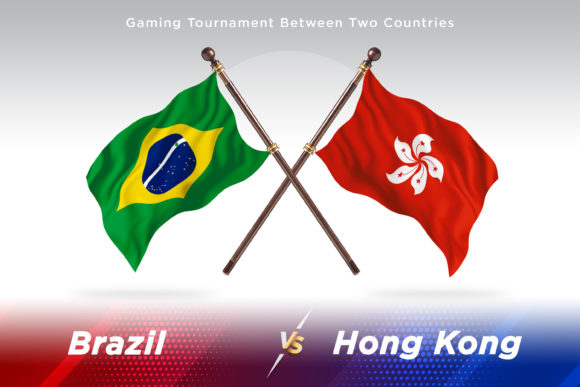
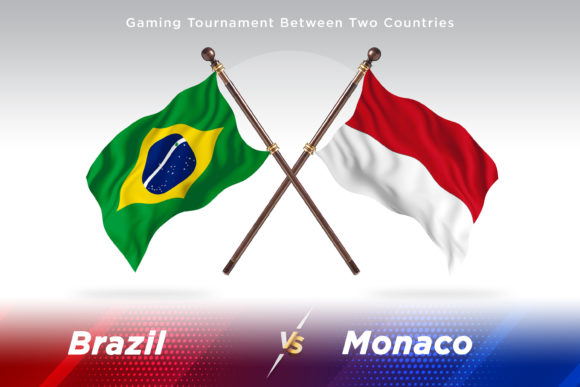
The flag of Brazil is one of the most recognizable national banners in the world. It consists of a green field with a large yellow diamond in the center. Inside the diamond is a blue circle featuring 27 white five-pointed stars arranged to mirror the night sky over Rio de Janeiro on November 15, 1889 — the day the Republic was proclaimed. A white band crosses the center of the flag diagonally from corner to corner, inscribed with the national motto "Ordem e Progresso" (Order and Progress) in bold green lettering.
Meanings Behind the Colors and Symbols
- Green: Represents the House of Braganza, the royal family that once ruled Brazil.
- Yellow: Symbolizes the wealth of the country's natural resources.
- Blue Circle: Stands for the sky of Brazil and the celestial sphere.
- Stars: Represent the states and federal district of Brazil at the time the current flag was adopted in 1992.
- White Band: Reflects peace and purity, while the slogan highlights the country’s commitment to progress and order.
As a vibrant and diverse nation, Brazil's flag encapsulates both its colonial past and modern aspirations. The inclusion of the entire constellation visible in the Brazilian sky adds a unique geographical element, making it stand out among other national flags.
The Flag of Monaco: Simplicity and Nobility
In stark contrast to Brazil's elaborate design, the flag of Monaco is simple yet elegant. It features a red background with a white bordered, red bordered, and white centered cross known as the Cross of Saint-Andrew. This same design is shared with the Russian Federation and Georgia, although the proportions differ slightly between them.
Symbols of Heritage and Sovereignty
- Red and White Colors: These are the traditional colors of the Grimaldi family, the ruling dynasty of Monaco since the 13th century.
- Cross of Saint-Andrew: The diagonal cross symbolizes the Christian faith and the patron saint of the principality.
Monaco's flag reflects its long-standing history as a sovereign city-state and its strong ties to European heritage. Despite its small size, Monaco holds a prominent place in global culture, especially in areas like luxury tourism, yachting, and high finance. Its flag serves as a reminder of the principality’s enduring independence and aristocratic legacy.
Comparing Brazil and Monaco: More Than Just Geography
While Brazil and Monaco may seem worlds apart in terms of geography, population, and economy, their flags tell stories about their identities. Brazil’s flag is a visual narrative of a vast, tropical country rich in biodiversity and cultural diversity. Monaco’s flag, on the other hand, is a minimalist representation of a small but influential nation rooted in tradition and elegance.
- Size and Shape: Brazil has one of the largest flags in the world due to its sheer landmass, whereas Monaco's flag is compact and fits well within the confines of its tiny territory.
- Design Complexity: Brazil’s flag is complex with multiple elements, while Monaco's is straightforward and symbolic.
- Historical Context: Brazil’s flag evolved through different regimes and political changes, while Monaco's has remained largely unchanged for centuries.
This comparison not only highlights the aesthetic differences but also underscores how flags can serve as visual shorthand for a country's history and values.
The Role of Flags in Modern Design and Communication
In today's digital age, flags are used extensively in graphic design, marketing, education, and international business. They help identify locations, cultures, and affiliations at a glance. Whether you're creating a presentation, designing a website, or producing educational materials, having access to Official Country Flags in high resolution and properly organized layers can make your work more professional and visually appealing.
Why Use Isolated Background Illustrations?
Isolated background illustrations of flags, such as those available in a 3D waving position, are particularly useful when you need to integrate these symbols into various design projects without worrying about clutter or poor quality. These files are often provided in formats like PSD, JPEG, and PNG, allowing for maximum flexibility in editing and application.
Benefits of Smart Object Layers in Photoshop
When working with a 1 PSD file containing all the flags, smart objects provide an efficient way to edit individual components without affecting the overall design. For instance, if you need to change the color of a specific flag or adjust its position, you can do so easily while maintaining the integrity of the rest of the artwork.
Practical Uses for Flag Illustrations in Business and Education
Flags play a crucial role in many industries. Here are some practical examples of how they are used:
- Travel and Tourism: Flags are essential for branding travel destinations and creating promotional content.
- International Business: Companies operating globally often use flags to indicate market regions or partner countries.
- Education: Teachers and students use flags to learn about geography, politics, and cultural studies.
- Graphic Design: Designers incorporate flags into posters, infographics, and presentations to enhance visual storytelling.
- Media and Journalism: News outlets use flags to denote countries involved in events, helping viewers quickly grasp context.
Having a well-organized layer structure ensures that designers can efficiently manipulate each flag individually, which is especially important when dealing with multiple flags in a single project.
Creating Your Own Flag-Based Designs
If you're a designer looking to create custom visuals using flags, having access to editable assets is invaluable. A typical package might include:
- A 4500 x 3000 px high-resolution PSD file with each flag on its own layer.
- A JPEG version for quick sharing and printing.
- A PNG version with transparent background for digital use.
These files allow for seamless integration into various platforms, from websites and mobile apps to print media and video backgrounds. The ability to edit via smart objects means that even beginners can customize designs without needing advanced technical skills.
How to Use These Files Effectively
To maximize the potential of these flag illustrations, consider the following tips:
- Layer Organization: Take advantage of the structured layers to modify or replace any flag without affecting others.
- Transparency: Use the PNG format when transparency is required, such as for app icons or web headers.
- Color Matching: Ensure the flags align with the color scheme of your project for a cohesive look.
- Resizing: The high-resolution PSD allows for scaling up or down without losing quality, ideal for large billboards or small social media thumbnails.
With these tools at your disposal, you can craft compelling visuals that resonate with international audiences and accurately represent the nations you're showcasing.
Expanding the Collection: Adding New Flags
Although the standard package includes a broad selection of flags, there may be instances where you need to add new ones. If you require flags not present in the bundle, simply reach out for customization options. This adaptability makes such design packages incredibly versatile for a wide range of applications.
Common Misunderstandings About National Flags
Many people assume that all flags have the same design principles or meanings. However, this is far from the truth. Each flag tells a unique story shaped by the country's history, culture, and values. For example:
- Some flags were created during wars or revolutions.
- Others pay homage to religious or historical figures.
- There are flags that feature animals, emblems, or ancient symbols.
Understanding these nuances helps avoid misinterpretation and fosters a deeper appreciation for the symbolism behind each piece of fabric flying proudly above cities and countries.
Flags in Everyday Life and Global Awareness
National flags appear in our daily lives more often than we realize. From sports events and news broadcasts to school classrooms and corporate offices, they serve as powerful visual identifiers. In an increasingly interconnected world, understanding the flags of different countries enhances our global awareness and communication abilities.
For educators, teaching about flags can be an engaging way to introduce students to geography, history, and cultural diversity. For businesses, incorporating flags into marketing strategies can help tailor messages to local audiences or highlight international partnerships.
Conclusion: The Power of Visual Identity
The flags of Brazil and Monaco exemplify the wide variety of ways nations express their identity. While Brazil uses a complex, colorful design to reflect its vastness and diversity, Monaco opts for a simple, noble emblem that echoes its royal past. Both flags, however, share a common purpose: to serve as a visual representation of their respective countries.
Whether you're a designer, educator, marketer, or simply someone interested in learning more about the world, having access to high-quality, editable country flags illustration can greatly enhance your work. With proper organization and clarity, these assets empower users to create accurate, impactful designs that communicate effectively across cultures and borders.
So next time you see a flag, take a moment to appreciate the story it tells. And if you're looking to bring those stories to life in your own projects, remember that the right tools can make all the difference.