Brazil Versus Hong Kong: A Visual Exploration of Two Flags and Their Cultural Significance
Flags are more than just pieces of cloth; they represent identity, history, and pride. When we look at the flags of Brazil and Hong Kong, we see two distinct symbols from different parts of the world. Understanding these flags helps us appreciate their unique stories and the cultural values they embody.
The Flag of Brazil: A Symbol of Unity and Diversity
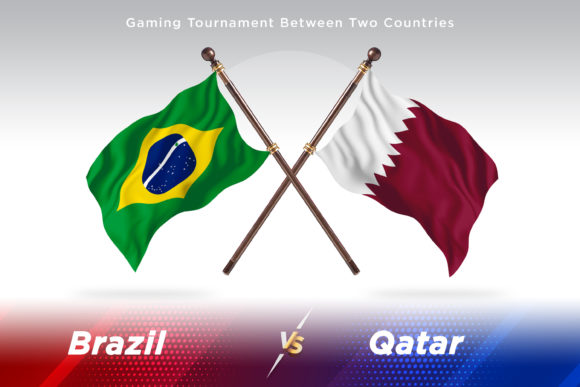
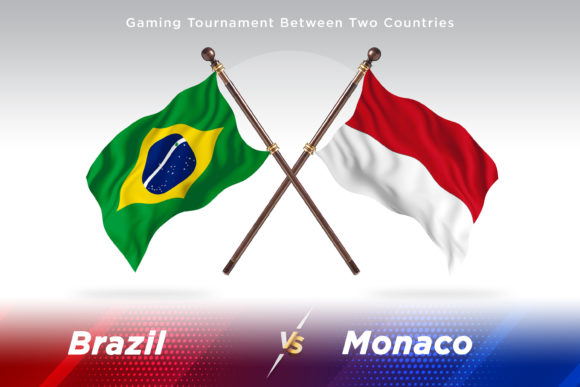
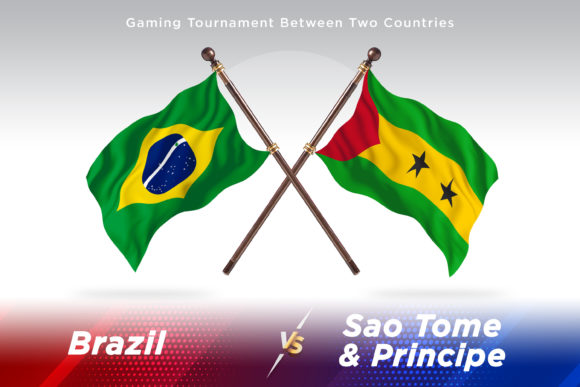
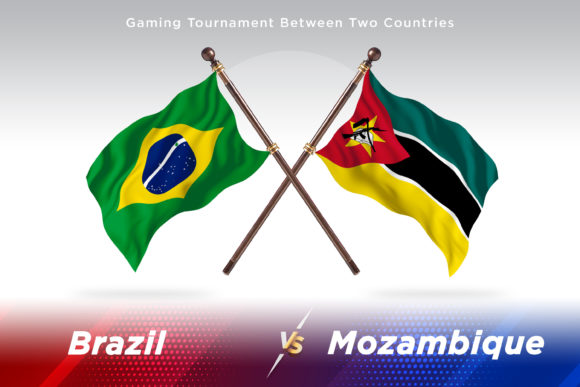
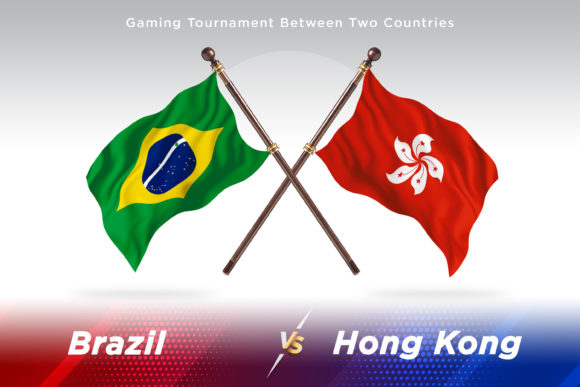
The flag of Brazil is a vibrant and meaningful emblem that reflects the country's rich heritage. It features a green field with a large yellow diamond in the center, which contains a blue circle with 27 white five-pointed stars and a coffee-colored coffee bean motif. The colors and design elements have deep symbolic meanings:
- Green represents the House of Braganza, the royal family of Portugal, which played a significant role in Brazil’s early history.
- Yellow symbolizes the country’s wealth in natural resources, particularly gold.
- Blue stands for the sky over Rio de Janeiro on the day the flag was designed, while the stars represent the 26 states and one federal district of Brazil.
- White signifies peace and purity.
This flag is not only an official symbol but also a source of national pride. In creative projects like digital illustrations or graphic designs, having the Brazil flag isolated allows for seamless integration into various backgrounds and themes. Whether you're designing for business, education, or artistic purposes, using an official country flag illustration ensures authenticity and professionalism.
Practical Use of the Brazil Flag in Design
Designers often use high-resolution images such as PSD files to work with flags effectively. With a 3D waving position and layers properly named and organized, editing the Brazil flag becomes straightforward. This level of detail is especially useful when creating presentations, posters, or marketing materials where visual clarity and customization are essential.
The Flag of Hong Kong: A Representation of Transition and Identity
The flag of Hong Kong is a modern creation, reflecting the territory’s complex political and historical background. It consists of a red background with a white Bauhinia flower, which has five petals and a central stripe. The red color echoes the Chinese flag, signifying Hong Kong’s connection to China after its handover in 1997, while the Bauhinia flower is a local emblem representing prosperity and growth.
Unlike Brazil’s flag, which tells a story of independence and diversity, Hong Kong’s flag is a symbol of transition. It serves as a reminder of the shift from British colonial rule to becoming part of China under the "one country, two systems" principle. For designers, having this flag available as a background illustration provides flexibility in showcasing Hong Kong’s unique identity in global contexts.
Using the Hong Kong Flag in Creative Projects
Incorporating the Hong Kong flag into your design project can be both educational and visually appealing. When you need to edit the flag — whether changing its position, adjusting colors, or adding it to a custom layout — working with a smart object layer makes the process simple. This feature is particularly helpful if you’re creating content for international audiences or comparing flags in a visual format.
Comparing Brazil and Hong Kong Flags: More Than Just Colors and Shapes
While both flags are visually striking, they differ significantly in symbolism and context. The Brazil flag conveys a sense of unity amid diversity, whereas the Hong Kong flag marks a period of change and coexistence. These differences make them excellent subjects for comparative studies or educational material aimed at explaining cultural and political identities through visual representation.
When illustrating the concept of “flags versus background,” it’s important to consider how each flag interacts with its surroundings. An isolated background illustration ensures that the focus remains on the flag itself, making it easier for viewers to understand its individual significance without distractions.
Flags in Conceptual Illustrations
Concept illustrations involving flags can be used in many ways, including:
- National celebrations: Highlighting the flags of participating countries during events like the Olympics or World Cup.
- Cultural comparisons: Using flags to explore similarities and differences between nations in academic or journalistic content.
- Political commentary: Representing flags in discussions about globalization, sovereignty, or regional cooperation.
- Travel and tourism: Showcasing flags in travel guides or promotional materials to emphasize the uniqueness of each destination.
By providing each flag on its own layer with proper naming, such as the Brazil flag layer and Hong Kong flag layer, designers can easily manipulate and combine flags in a variety of settings. This approach supports creativity and precision, especially when dealing with multiple flags in one composition.
Official Country Flags and Global Recognition
Both Brazil and Hong Kong are recognized by their official country flags, even though Hong Kong is technically a Special Administrative Region (SAR) of China. Official flags are crucial for global communication and identification. They appear in everything from diplomatic documents to international media coverage, serving as clear visual markers of national presence.
Having access to a collection of official country flags is beneficial for anyone involved in international design work. Whether you're creating a map, infographic, or thematic poster, using accurate and well-organized flags enhances the credibility and aesthetic appeal of your project.
Working with Multiple Flags in One File
A comprehensive country flags illustration file should include all necessary details to facilitate easy editing. For instance, a 4500 x 3000 px PSD file with smart objects allows for quick adjustments without compromising quality. Each flag being on its own layer means you can scale, move, or modify individual elements independently, giving you full control over the final design.
If your project requires additional flags beyond Brazil and Hong Kong, most professional bundles allow for expansion. Simply ask the designer or supplier to include other official country flags so you can maintain consistency and accuracy throughout your work.
Why Flags Matter in Modern Design and Communication
In today’s interconnected world, flags play a vital role in branding, education, and storytelling. They help identify regions, evoke emotions, and serve as powerful visual tools for conveying messages. Here’s how flags fit into various aspects of modern life:
- Business: Flags are used in corporate branding for companies operating internationally.
- Education: Teaching geography and history often involves the use of flags to help students recognize countries and their cultures.
- Technology: In web design and app development, flags are used for language selection, location services, and user interface elements.
- Media: News outlets and social media platforms use flags to denote the origin of content or participants in global events.
Using a high-quality flags versus background illustration gives professionals the ability to create engaging visuals that resonate with diverse audiences. The inclusion of 3D waving positions adds depth and realism, making the design more dynamic and eye-catching.
Common Misunderstandings About Flags
Despite their widespread use, flags can sometimes be misunderstood. Here are a few common misconceptions clarified:
- Flags always represent a sovereign nation: While most do, some represent regions, cities, or organizations. Hong Kong is a great example of a region with its own flag.
- All flags are the same size: No, flags come in various sizes and formats depending on their intended use. A 4500 x 3000 px JPEG or PNG is ideal for large-scale printing or digital displays.
- You don’t need high resolution for online use: On the contrary, high-resolution images ensure sharp display across devices and screen types, enhancing the viewer's experience.
Understanding these nuances helps avoid errors and ensures respectful and accurate representation in any project involving flags.
How to Get Started with Your Own Flags Illustration Project
If you're interested in using flags in your next design, here’s what you can do:
- Choose the right format: Opt for a PSD file if you plan to edit the design extensively. A JPEG or PNG works well for static use.
- Ensure isolation: Work with illustrations where each flag is isolated on its own layer for maximum flexibility.
- Use semantic keywords: When naming layers or describing your project, use terms like country flags illustration, flags versus background, or official country flags to improve searchability and understanding.
- Ask for additional flags: If your design needs more flags than provided in the bundle, don’t hesitate to request them. Most designers are happy to accommodate such needs.
Whether you're creating content for a school presentation, a business report, or a personal art project, using high-quality flag illustrations can elevate your work and provide valuable context.
Conclusion: Flags as Tools for Connection and Clarity
The flags of Brazil and Hong Kong offer fascinating insights into their respective histories and identities. As part of a larger country flags illustration, they can serve as visual anchors in educational, commercial, or creative contexts. By using well-organized, high-resolution files with smart object layers, you can ensure your designs remain flexible, accurate, and impactful.
So, the next time you’re working on a project that includes flags, remember that each one tells a story. With the right tools and knowledge, you can bring those stories to life in a way that informs, inspires, and connects people across the globe.