Brazil Versus Mozambique Two Flags: A Visual and Cultural Comparison
When it comes to country flags, each design tells a unique story rooted in history, identity, and symbolism. The Brazil versus Mozambique two flags concept illustration offers an excellent opportunity to explore the visual and cultural contrasts between these two nations. This article dives into the significance of their official flags, how they are used in modern design, and why such illustrations can be powerful tools for creative professionals.
The Meaning Behind Brazil's Flag
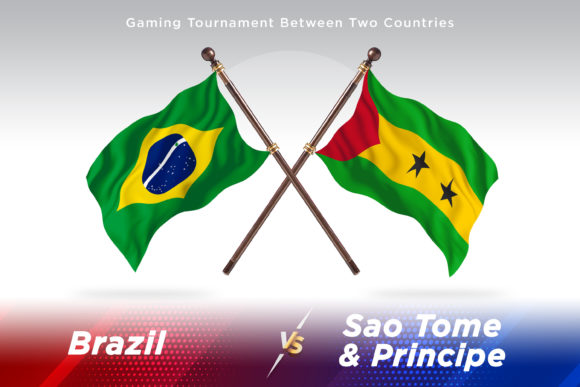
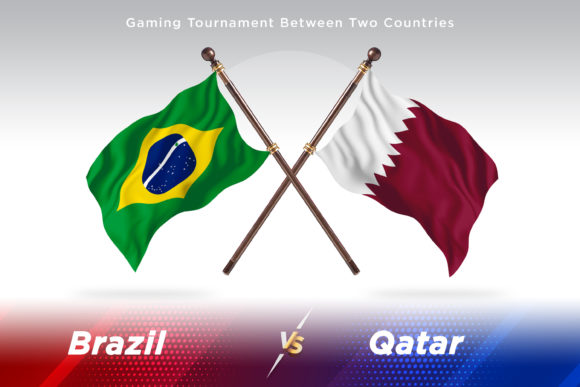
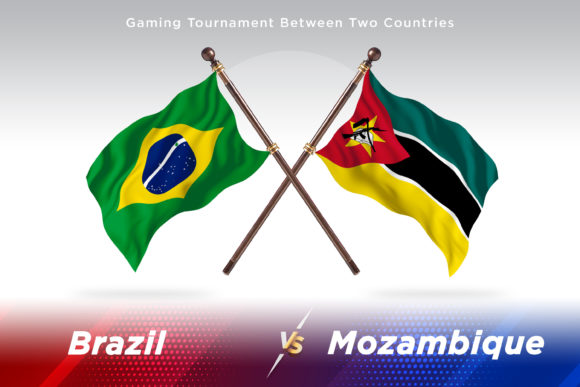
The national flag of Brazil is one of the most recognizable in the world. Featuring a green field with a yellow diamond, a blue circle containing white stars, and a coffee-brown band with the national motto "Ordem e Progresso," it represents the country’s rich natural resources and its aspirations for development.
- Green: Symbolizes Brazil’s lush forests and vegetation.
- Yellow: Represents the nation’s mineral wealth and gold reserves.
- Blue Circle: Evokes the sky over Rio de Janeiro on November 15, 1889—the day the First Republic was proclaimed.
- Stars: Each star corresponds to a Brazilian state or territory.
- Coffee-Brown Band: Reflects the importance of coffee in Brazil’s economy during the 19th century.
Designed by Raimundo Teixeira Mendes Filho and Pedro Alexandrino, the current version has been in use since 1992. It maintains historical continuity while adapting to contemporary standards of clarity and visibility.
Mozambique's Flag: A Story of Liberation and Unity
In stark contrast, the flag of Mozambique carries deep political and social meaning. Adopted after the country gained independence from Portugal in 1975, it features three horizontal stripes—green, black, and yellow—with a red triangle on the hoist side and a golden mapoumbi tree at its center.
- Green: Stands for the land and agricultural potential of the country.
- Black: Honors the African people and the struggle for freedom.
- Yellow: Symbolizes the nation’s mineral and natural resources.
- Red Triangle: Represents the blood shed during the liberation struggle.
- Mapoumbi Tree: Known as the “Tree of Life,” it signifies unity, peace, and resilience.
This flag is more than just a national emblem; it serves as a reminder of the sacrifices made by the Mozambican people and their enduring spirit. Its design reflects a blend of Pan-Africanism and local heritage, making it both symbolic and practical in international contexts.
Visual Contrasts: Brazil Versus Mozambique Two Flags
A side-by-side comparison of the Brazil versus Mozambique two flags reveals not only differences in color schemes but also in the messages they convey. While Brazil’s flag emphasizes progress and natural abundance, Mozambique’s highlights unity and the legacy of resistance. These distinctions make them ideal for illustrating diverse themes in graphic design, marketing, and educational content.
Graphic designers often seek high-quality representations of flags to incorporate into presentations, posters, websites, and infographics. An isolated background illustration of these two flags in a 3D waving position provides a dynamic and visually engaging element that can elevate any project.
Design Features of the Flag Illustration Bundle
For those working with digital media, having access to well-organized and editable assets is essential. The Brazil versus Mozambique two flags illustration bundle includes multiple file formats and smart object layers to support flexible editing and integration into various projects.
- 1 PSD File (4500 x 3000 px): High-resolution format with layered smart objects for easy customization.
- 1 JPEG File: Ideal for web-based use where transparency isn't required.
- 1 PNG File: Perfect for designs that need a transparent background.
Each flag is placed on its own layer and clearly labeled, ensuring that users can manipulate colors, sizes, and positions without affecting the rest of the illustration. This level of detail is particularly useful when creating mockups, promotional materials, or educational content that requires precise control over visual elements.
Why Use Isolated Country Flags?
Isolated flags are versatile assets that allow for seamless integration into different design environments. Whether you're building a presentation about global markets, creating a travel brochure, or designing a logo that incorporates national symbols, having flags on separate layers ensures flexibility and professional results.
These files are especially valuable for:
- Marketing campaigns targeting both countries
- Travel and tourism visuals
- International business reports
- Political and academic research materials
- Digital art and editorial illustrations
With the ability to edit via smart objects, users can easily replace the flags with other country emblems if needed, making this resource adaptable for a wide range of applications.
Practical Applications in Modern Design Workflows
Modern design workflows demand efficiency and adaptability. When working on a project that involves multiple flags, such as a global brand launch or a geopolitical analysis report, using pre-isolated and scalable flag illustrations saves time and enhances quality.
Consider the following scenarios:
- Web Development: Use the PNG or JPEG versions to add visual interest to landing pages, infographics, or interactive maps.
- Print Media: The high-resolution PSD file ensures sharp printing for brochures, magazines, and banners.
- UI/UX Design: Smart objects make it easy to adjust flags for app interfaces or dashboard elements.
- Educational Content: Teachers and content creators can use these flags to teach geography, culture, or history in a visually compelling way.
Moreover, the clean background and realistic 3D waving effect make the Brazil versus Mozambique two flags suitable for stock photo-style compositions or as standalone icons. Their isolation allows for easy resizing, repositioning, and even animation possibilities in digital projects.
How to Choose the Right Format
Selecting the appropriate file format depends on your specific needs. Here’s a quick guide to help you decide:
- PSD: Best for detailed editing and future modifications.
- JPEG: Great for fast-loading web graphics and general use.
- PNG: Preferred when transparency is needed, such as placing flags over complex backgrounds.
Having all three formats available in one package gives designers the freedom to work across platforms without compromising quality or compatibility. Whether you're preparing for print or digital delivery, there's an option suited for every stage of production.
Expanding the Collection: Adding More Flags
If your project goes beyond Brazil and Mozambique, you can request additional flags to be included in the illustration. This feature makes the Brazil versus Mozambique two flags concept highly customizable and scalable for larger comparisons or more intricate designs.
Some common reasons to expand the flag collection include:
- Creating a comprehensive regional overview
- Highlighting trade partners or diplomatic allies
- Comparing economic or cultural ties
- Building a multi-national team or event graphic
By adding more flags, you can craft a visual narrative that connects continents, cultures, and histories—all while maintaining the same level of professionalism and clarity.
Benefits of Using Professional Flag Illustrations
Using professionally designed flag illustrations like the Brazil versus Mozambique two flags offers several advantages over generic stock images or low-resolution downloads. These benefits include:
- High resolution for crisp prints and digital displays
- Accurate representation of official country flags
- Easy-to-edit smart objects for non-designers
- Well-structured layers for advanced users
- Consistent style and visual quality across all flags
Such attention to detail is crucial in industries where precision matters—like education, journalism, and corporate communications. Even casual users benefit from knowing they’re presenting authentic and correctly formatted flags.
Flags in Context: Backgrounds and Positioning
Positioning flags within a composition affects the message they convey. In the Brazil versus Mozambique two flags illustration, the 3D waving effect adds realism and movement, making the flags appear active rather than static.
Choosing the right background is equally important. While the provided illustration uses an isolated background, many designers prefer to place flags against thematic backdrops—such as a city skyline, a globe, or a map—to reinforce context. The layered structure of the PSD file allows for easy experimentation with different backgrounds and lighting conditions.
Common Considerations Before Using Flag Illustrations
Before incorporating flag illustrations into your work, consider the following factors:
- Ensure the flags are up to date with official specifications.
- Respect the cultural and political meanings behind each flag.
- Match the illustration style to your overall design theme.
- Verify that the resolution is sufficient for your intended output.
- Check the licensing terms to confirm commercial usage rights.
These considerations help maintain both the integrity of the flags and the professionalism of the final product. With the Brazil versus Mozambique two flags bundle, these concerns are already addressed, offering a reliable and ready-to-use asset for designers of all levels.
Final Thoughts on Creative Flexibility
Whether you're comparing national identities, planning a multicultural event, or simply looking for eye-catching design elements, the Brazil versus Mozambique two flags illustration is a valuable addition to your toolkit. The combination of accuracy, flexibility, and aesthetic appeal makes it a go-to resource for both personal and professional projects.
Thanks to its smart object features and organized layers, this illustration empowers users to create custom designs without requiring advanced technical skills. And for those who want to extend their visual storytelling, the option to request additional flags ensures limitless creative potential.