Brazil Versus Qatar: A Visual and Cultural Exploration of Two National Flags
The flags of Brazil and Qatar serve as powerful symbols of their respective nations, encapsulating history, identity, and values. In the context of global design and illustration, the "Brazil Versus Qatar Two Flags" concept has emerged as a compelling visual tool for creators, educators, and businesses alike. This article delves into the unique characteristics of these two flags, explores the practical advantages of using isolated flag illustrations in design workflows, and discusses real-world use cases that highlight their relevance.
Understanding the Symbolism Behind the Flags
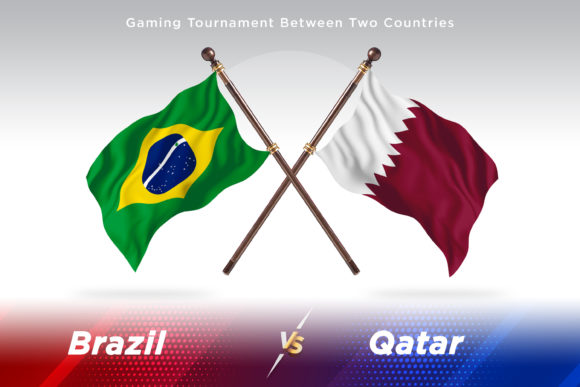
The Brazilian flag is one of the most recognizable in the world, featuring a green field with a large yellow diamond and a blue circle containing a white banner. At the center lies the national emblem, which represents the constellations of the southern hemisphere sky on November 15, 1889—the day Brazil became a republic. The colors green and yellow are deeply rooted in the country’s heritage, symbolizing the House of Braganza and the wealth of Brazil's natural resources respectively.
In contrast, the flag of Qatar presents a bold and minimalist design. It consists of a maroon background with a vertical white band on the hoist side, separated by a serrated red-white border. The maroon color reflects the traditional attire of Qatari people and also symbolizes courage and determination, while the white stands for peace and purity. The nine sections in the flag represent the nine regions of the country and its founding tribes.
Cultural Significance and Historical Context
Both flags carry profound cultural significance. The Brazilian flag, adopted in 1889, replaced the imperial flag and marked the transition from monarchy to republic. Over time, it has become a symbol of national pride, especially during international events such as the FIFA World Cup, where Brazil’s vibrant presence is often highlighted through its flag.
The Qatari flag, introduced in 1976, was modified slightly in 2006 to reflect the nation's modern identity while honoring its past. Its design draws inspiration from the traditional kandura, a long white robe worn by men in the region, reinforcing a connection between the flag and daily life in Qatar.
Designing with Isolated Flag Illustrations
When working with country flags for creative or educational purposes, having access to high-quality, isolated illustrations can significantly enhance the design process. The "Brazil Versus Qatar Two Flags" concept illustration offers an organized and scalable solution for professionals and hobbyists who need accurate representations of these flags in various formats.
This bundle includes one PSD file (4500 x 3000 pixels), along with JPEG and PNG versions, ensuring compatibility across different software and platforms. Each flag is placed on its own layer, making it easy to manipulate individual elements without affecting the rest of the composition.
Advantages of Using Smart Objects
One of the standout features of this resource is the use of smart objects within the PSD file. Smart objects allow designers to edit the flags non-destructively, preserving the quality of the image even after resizing or applying filters. This feature is particularly beneficial when creating custom designs that require frequent adjustments or scaling to fit multiple screen sizes or print formats.
Well-Organized Layers for Efficiency
With each flag on its own distinct layer and clearly labeled, users can quickly navigate and modify the artwork. Whether you're designing a poster for a sports event, preparing a presentation on geopolitical themes, or creating a website layout with international flair, this structure ensures clarity and control throughout the editing process.
Use Cases for Brazil Versus Qatar Flag Designs
The versatility of the "Brazil Versus Qatar Two Flags" illustration makes it suitable for a wide range of applications. Here are some common scenarios where such assets prove invaluable:
- Event Design: When creating promotional materials for matches between Brazil and Qatar, such as friendly games or international tournaments, having precise flag representations helps in building a strong visual narrative.
- Geography and Education: Educators can utilize the flags to teach about South American and Middle Eastern countries, emphasizing their cultural differences and historical backgrounds.
- Business Branding: Companies involved in international trade or partnerships can incorporate these flags into their branding to symbolize collaboration and diversity.
- Graphic Design Projects: Artists and designers working on editorial layouts, infographics, or social media content can leverage the layered format to create dynamic compositions with ease.
Customization and Scalability
The ability to request additional flags not included in the original bundle adds another layer of flexibility. For instance, if a project involves comparing more than just Brazil and Qatar, users can easily expand the set to include other official country flags, maintaining consistency and professionalism in their work.
Moreover, the 3D waving position effect enhances realism, making the flags appear more engaging and lifelike in digital presentations or animations. This attention to detail is crucial for achieving a polished look in any design project.
Practical Considerations for Users
While the technical aspects of the illustration are impressive, users must also consider how best to apply them in real-world contexts. Understanding the correct usage of national flags is essential to avoid misrepresentation or unintended symbolism.
- Respect Cultural Norms: Ensure that the flags are used in a respectful manner, avoiding alterations that could be seen as disrespectful or inaccurate.
- Maintain Proportions: Flags should always be displayed in their proper aspect ratios. Distorting the size or shape can lead to incorrect perceptions or legal issues in some jurisdictions.
- Use High-Resolution Files: Given the dimensions of the provided PSD (4500 x 3000 px), users have ample space to scale the flags for both digital and print media without compromising quality.
- Layer Management: Take advantage of the well-organized layers to isolate flags for different design needs, such as adding shadows, reflections, or overlays specific to each flag.
Choosing Between JPEG and PNG Formats
Depending on the intended use, users may prefer either the JPEG or PNG version. JPEG is ideal for web-based projects due to its smaller file size and good quality balance. PNG, on the other hand, supports transparency, making it perfect for overlaying flags onto complex or gradient backgrounds.
Comparative Insights: Flags as Global Symbols
National flags like those of Brazil and Qatar are not just decorative elements; they are global symbols that convey messages of unity, heritage, and identity. By placing these two flags in a "versus" context, the illustration encourages a deeper understanding of the countries' contrasting geographical, political, and cultural landscapes.
For example, Brazil is known for its tropical climate, diverse population, and rich cultural traditions such as Carnival and samba music. Qatar, a small but wealthy Gulf state, is recognized for its rapid modernization, investment in technology, and hosting major international events like the 2022 FIFA World Cup. These differences make the "Brazil Versus Qatar" comparison both visually and intellectually stimulating.
Flags in International Communication
In today's interconnected world, flags play a critical role in international communication. They are used in diplomatic settings, global marketing campaigns, and cross-cultural discussions. The isolation of each flag in this illustration allows for seamless integration into multilingual or multicultural projects, ensuring that the message remains clear and professional.
Current Trends and Future Applications
As globalization continues to influence art, commerce, and education, the demand for accurate and adaptable flag illustrations will only grow. The "Brazil Versus Qatar Two Flags" concept aligns with current trends in design that emphasize inclusivity, accuracy, and visual storytelling.
Designers are increasingly leveraging AI tools and vector-based graphics to create responsive visuals for websites and mobile apps. Having a high-resolution, layered illustration means these flags can be adapted for different resolutions and orientations effortlessly. Additionally, the inclusion of smart objects ensures that future edits remain simple and efficient, regardless of the complexity of the design.
Integration with Other Global Assets
Many creators combine flag illustrations with other global assets such as maps, language scripts, or cultural icons. The "Brazil Versus Qatar Two Flags" illustration provides a solid foundation for such integrations. Because each flag is on its own layer, it can be moved, resized, or enhanced independently, allowing for more intricate and personalized compositions.
Conclusion Through Practical Application
Whether you're an educator preparing a lesson plan, a designer crafting a visual campaign, or a business owner expanding your brand's reach, the "Brazil Versus Qatar Two Flags" concept illustration offers a reliable and versatile resource. Its structured format, realistic effects, and adaptability make it a valuable addition to any design toolkit.
By choosing to work with officially recognized flags in a professionally curated package, users can ensure that their projects reflect authenticity and respect for the cultures they represent. As the world becomes more visually driven, having access to such detailed and organized illustrations is not just advantageous—it's essential for effective communication and design excellence.