Botswana and Haiti: A Comparative Look at Their Flags, Cultures, and Global Context
Flags are more than just colorful banners that flutter in the wind; they are powerful symbols of identity, history, and national pride. Every country’s flag tells a story — one that reflects its values, struggles, and triumphs. In this article, we’ll explore two unique flags from different parts of the world: Botswana’s and Haiti’s. We’ll examine their designs, meanings, and how they represent the countries they belong to. Additionally, we’ll discuss the broader significance of flags in modern contexts such as design, education, and global communication.
The Flag of Botswana: Simplicity with Deep Meaning
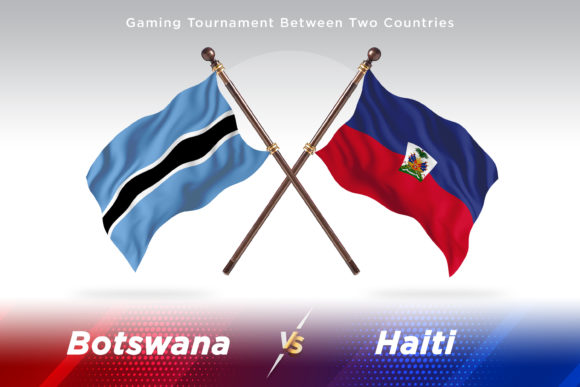
Botswana’s national flag is a striking example of minimalist design with profound symbolism. The flag features a horizontal tricolor of blue, black, and red. The blue stripe at the top represents the sky and water, essential for life in the arid region of southern Africa. The central black stripe symbolizes the people of Botswana, while the red stripe at the bottom stands for the blood shed by those who fought for the nation's independence from British colonial rule in 1966.
A white diamond is centered on the flag, representing the unity of the Batswana people. Within the diamond, there is a black shield with a crossed spear and hoe. These tools signify defense and agriculture — the twin pillars of Botswana’s early development and survival. This design is not only visually balanced but also deeply meaningful, reflecting the country’s commitment to peace, progress, and self-reliance.
Why Botswana’s Flag Matters Today
In today’s digital age, flags like Botswana’s play an important role in branding, cultural representation, and international recognition. For designers and marketers, having access to official country flags isolated in high-resolution formats (like PSD, JPEG, or PNG) is crucial for creating professional materials. Whether you're designing a website, preparing a presentation, or illustrating a concept, accurate and scalable flag assets ensure your work maintains a polished and respectful tone.
The Flag of Haiti: A Banner of Revolution and Freedom
Haiti’s flag is equally rich in symbolism, though it carries a very different historical narrative. The Haitian flag consists of two equal horizontal bands: red on top and blue below. It was first adopted in 1803, shortly before the country declared independence from French colonial rule in 1804 — making it one of the oldest flags still in use today.
The colors have deep roots in Haitian history. The red band represents the blood spilled during the revolution led by enslaved Africans, while the blue band symbolizes the freedom won through that struggle. At the center of the flag is the national coat of arms, which includes a five-pointed star, a palm tree, and a cogwheel. These elements highlight Haiti’s aspirations for liberty, unity, and progress.
Significance in Haitian Identity
For Haitians, the flag is a constant reminder of their revolutionary spirit and the resilience of their people. It has been raised in moments of both celebration and mourning, serving as a visual anchor for national sentiment. Like Botswana’s flag, it is used extensively in media, education, and international relations to represent the country’s presence on the global stage.
Comparing Botswana and Haiti: Two Nations, Two Stories
- Design Style: Botswana’s flag uses geometric simplicity and symbolic elements like the shield and spear to convey meaning. Haiti’s flag, on the other hand, draws heavily on color symbolism rooted in its revolutionary past.
- Historical Context: Both flags were adopted in the late 18th and early 19th centuries, but they reflect different journeys. Botswana’s flag emerged after gaining independence from Britain in 1966, while Haiti’s flag dates back to the successful slave revolt that led to the creation of the first Black republic in 1804.
- Cultural Values: Botswana emphasizes unity and stability, with its flag promoting peaceful coexistence and agricultural strength. Haiti’s flag celebrates freedom, resistance, and the enduring legacy of its fight against oppression.
These differences highlight how flags can serve as windows into a country’s soul. They’re not just aesthetic choices but reflections of history, culture, and collective memory.
Flags in Concept Illustration and Design Projects
In the world of graphic design and illustration, flags are often used to represent nations in educational materials, infographics, and global marketing campaigns. When working on projects that require multiple flags — such as a comparative study of Botswana and Haiti — designers need assets that are clear, editable, and properly layered.
This is where high-quality illustrations of official country flags come into play. For instance, a designer might receive a set containing flags in 3D waving positions, each isolated on its own layer with the proper name labeled. Such resources allow for seamless integration into any project, whether it’s for a school assignment, a business report, or creative storytelling.
Benefits of Using Layered Flag Files
- Smart Object Editing: With smart objects in PSD files, you can easily resize, recolor, or reposition flags without losing quality.
- Well-Organized Layers: Each flag being on its own layer makes it simple to manage complex compositions and switch between different flag styles or arrangements.
- High Resolution: Files at 4500 x 3000 pixels ensure clarity even when scaled up for print or large displays.
- Multiple File Formats: Having access to both JPEG and PNG versions allows for flexibility in transparency and background use.
Whether you're illustrating a political map, a cultural comparison, or a technological innovation related to global communities, these types of assets make your work more precise and impactful.
Practical Applications of Country Flag Assets
Having access to professional flag illustrations can be incredibly useful in various industries:
Education
Teachers and educators often use flags to help students learn about geography, history, and international relations. With layered and scalable assets, teachers can create interactive lessons where students can manipulate the flags themselves, enhancing engagement and understanding.
Business and Marketing
Global businesses frequently incorporate flags into presentations, reports, and promotional content to illustrate market reach, cultural awareness, or regional focus. Properly formatted flags ensure that the company’s message is conveyed accurately and respectfully.
Technology and Web Development
Developers may need flag assets for websites, apps, or data visualizations that include country-specific information. High-resolution and transparent PNGs are particularly useful for UI/UX design and responsive web layouts.
Graphic Design and Creativity
Designers love using flags in creative projects — from posters and book covers to animations and social media graphics. The ability to edit flags via smart objects means you can experiment with different compositions without compromising image quality.
Common Misconceptions About National Flags
Despite their widespread use, many people misunderstand the purpose and significance of national flags. Here are some common myths debunked:
- Myth: All flags are the same size and shape. Reality: While most national flags follow a rectangular format, their proportions vary significantly. Some are square (e.g., Switzerland), while others are longer horizontally or vertically.
- Myth: Flags are purely decorative. Reality: Flags carry deep cultural and political meaning. They are used in ceremonies, as symbols of allegiance, and in international diplomacy.
- Myth: Only governments use flags. Reality: Individuals, organizations, and even cities or regions adopt flags to express identity and solidarity. However, the national flag remains the official emblem recognized internationally.
Understanding these nuances helps us appreciate flags as more than just pieces of cloth — they are living symbols of a nation’s journey and values.
How to Incorporate Flags into Your Work
If you’re working on a design or educational project that requires the use of Botswana’s and Haiti’s flags, here are some tips to consider:
- Use vector-based layers: Vector layers allow for easy resizing and editing, ensuring the flag looks sharp on any device or medium.
- Check for accuracy: Always verify that the flag design matches the latest official version. Countries occasionally update their flags, and it’s important to stay current.
- Maintain cultural sensitivity: Use flags appropriately, respecting their status as national emblems. Avoid altering them in ways that could be considered disrespectful.
- Explore additional flags: If your project involves more than just Botswana and Haiti, don’t hesitate to request additional flag assets. Many designers offer bundles or custom additions to suit specific needs.
Example Uses in Modern Media
Consider a travel blog comparing Botswana and Haiti. By incorporating high-resolution flag illustrations into the layout, the blog gains a visual element that immediately connects readers to the locations being discussed. Similarly, in a documentary about post-colonial African and Caribbean nations, showing the flags of Botswana and Haiti side by side offers a compelling way to highlight their shared experiences and distinct identities.
Conclusion: Flags as Global Symbols
National flags are more than just representations of borders and governments; they are visual narratives that encapsulate a country’s essence. The flags of Botswana and Haiti tell stories of perseverance, freedom, and identity — stories that resonate far beyond their home nations.
In today’s interconnected world, the ability to access and use these flags effectively is essential. Whether you're a student learning about geography, a designer crafting a visual story, or a business professional presenting to an international audience, having accurate, high-quality flag illustrations can enhance your work and deepen your message.
By understanding the significance behind each flag and using them responsibly in our creative and professional endeavors, we contribute to a more informed and connected global community. So next time you see the flags of Botswana or Haiti, remember the rich histories and vibrant cultures they represent.