Botswana and Monaco: A Comparative Look at Two Official Country Flags
Flags are more than just pieces of cloth or digital illustrations—they are powerful symbols of identity, culture, and sovereignty. They represent the values and history of a nation while serving as visual tools in design, marketing, and global communication. In this article, we will explore the flags of two distinct countries: Botswana and Monaco. While both flags may appear simple at first glance, they each tell a unique story about their respective nations. Additionally, we'll examine how these flags can be used in professional design work, particularly when working with high-resolution assets like those found in an illustration pack containing country flags isolated on layers.
The Flag of Botswana: Simplicity and Symbolism
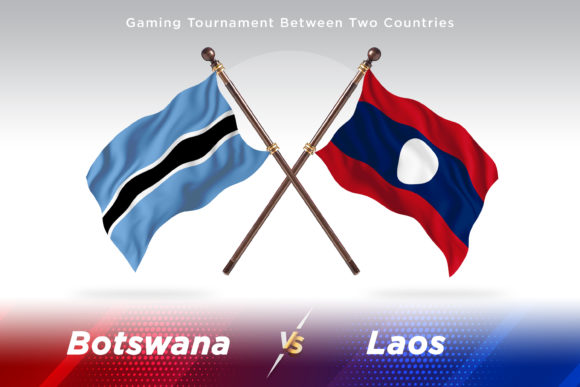
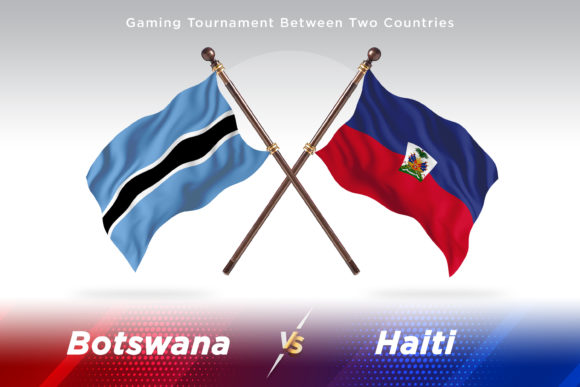
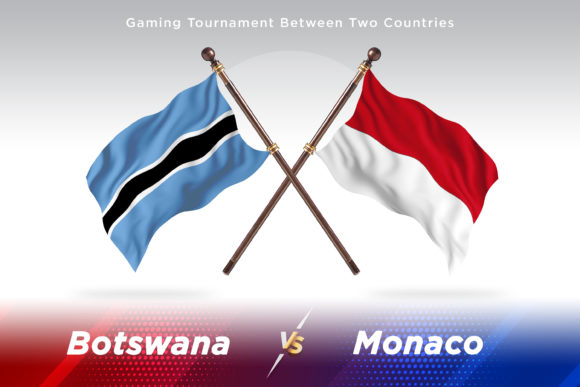
The flag of Botswana is one of the most recognizable national banners in Africa due to its clean and minimalist design. Adopted on September 30, 1966, the same day the country gained independence from British colonial rule, the Botswana flag consists of three horizontal stripes—blue, black, and red—with a white diamond in the center.
- Blue Stripe: Represents the sky and water, symbolizing peace and harmony.
- Black Stripe: Honors the people of Botswana and their African heritage.
- Red Stripe: Stands for the blood shed by freedom fighters during the struggle for independence.
- White Diamond: Signifies purity and unity among all citizens.
This design is not only visually striking but also deeply symbolic. It reflects Botswana's commitment to democratic principles and peaceful coexistence. The use of only four colors makes it versatile for various applications, from print media to digital platforms. Designers often appreciate the Botswana flag’s simplicity because it allows for easy integration into modern layouts without overwhelming the viewer.
The Flag of Monaco: A Royal Legacy
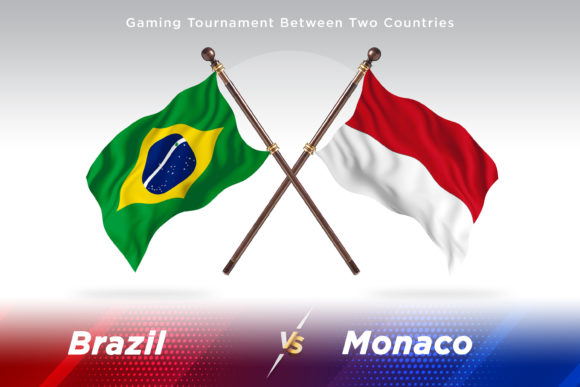
In stark contrast to Botswana's flag, the flag of Monaco carries a rich historical background. The current design was adopted in 1881 and features a vertical bicolour of red and white. These colors have been part of the Grimaldi family crest for centuries, making the flag a direct representation of the ruling dynasty.
- Red Color: Traditionally associated with bravery and sacrifice.
- White Color: Embodies peace and justice.
Monaco's flag is closely linked to the French flag in style, which is not surprising given its geographical location on the French Riviera and its long-standing relationship with France. The proportions of the flag are 2:3, with the red stripe occupying two-thirds of the width and the white stripe taking up the remaining third. This flag has remained largely unchanged over time, reinforcing the stability and continuity of the principality under royal governance.
Comparing Botswana and Monaco Flags
While both flags serve the same purpose—representing their nations—their designs reflect very different cultural and political contexts. Botswana’s flag is a product of post-colonial symbolism, whereas Monaco’s flag is rooted in aristocratic tradition. Here's a quick comparison to highlight their differences:
- Design Style: Botswana uses horizontal stripes; Monaco employs vertical ones.
- Colors: Botswana features blue, black, red, and white; Monaco sticks to red and white.
- Symbols: Botswana includes a central white diamond; Monaco does not incorporate any additional symbols.
- Historical Context: Botswana's flag emerged after gaining independence; Monaco’s flag has evolved over centuries within a monarchy.
Why Use High-Resolution Flag Illustrations?
For designers, educators, marketers, and business professionals, having access to high-quality flag illustrations is essential. Whether you're creating a presentation, designing a website, or producing promotional material, using official country flags adds authenticity and professionalism. An illustration package that includes flags isolated on their own layers offers even greater flexibility and control over your design projects.
Such resources typically include formats like PSD (Photoshop Document), JPEG, and PNG, ensuring compatibility across different software and platforms. For instance, a 4500 x 3000 px PSD file provides ample detail for large-scale printing or web graphics. These files are also structured to allow edits via smart objects, meaning you can modify elements like color or size without compromising image quality.
Practical Uses of Isolated Flag Layers
Having each flag on its own layer with a proper name is incredibly useful for several reasons:
- Customization: You can easily adjust individual flags without affecting others in the composition.
- Layer Management: Well-organized layers make it easier to navigate complex designs, especially when multiple flags are involved.
- Design Consistency: Ensures that the correct flag is used for each country, avoiding mix-ups or misrepresentations.
- Reusability: Flags can be reused in different projects, saving time and effort in future design tasks.
These benefits are especially important for businesses operating internationally, where accurate representation of countries is crucial for branding and legal compliance. Educators can also use such illustrations to create engaging presentations about geography, politics, or international relations.
Understanding the Importance of Flag Design in Modern Contexts
Flag design plays a significant role in today’s digital and creative landscapes. From corporate branding to social media campaigns, the right use of flags can enhance visual storytelling and foster a sense of connection with diverse audiences. When used correctly, flags can help communicate messages related to globalization, unity, diversity, and shared human experiences.
Consider a scenario where a multinational corporation wants to launch a campaign celebrating cultural diversity. By using a professionally designed flag illustration pack, the company can showcase the countries it operates in with accuracy and respect. Similarly, a travel agency promoting tours to Botswana and Monaco could use these flags to add a touch of authenticity and visual appeal to their brochures and websites.
Common Misunderstandings About National Flags
Despite their widespread use, many people misunderstand the significance and rules surrounding national flags. Here are some common misconceptions:
- Flags are interchangeable: No, each flag represents a specific country and must be used accordingly. Using the wrong flag can lead to confusion or even offense.
- All flags are created equal: While every country deserves respect, flags vary in design, symbolism, and historical context. Understanding these nuances helps in proper usage.
- Any designer can alter a flag: In many countries, changing the design of the national flag without permission is illegal. Always check local regulations before modifying a flag.
How to Incorporate Flags into Your Work
Whether you're an amateur designer or a seasoned professional, incorporating country flags into your projects requires attention to detail. If you’re using a flag illustration bundle, here are some tips to follow:
- Check Dimensions: Ensure the flag fits the intended space. Some flags require specific aspect ratios for official use.
- Use Proper Colors: Even slight deviations in color can make a flag look unprofessional. Stick to the exact Pantone or RGB codes provided.
- Maintain Layer Integrity: Keep each flag on its own layer for easy editing and repositioning.
- Follow Cultural Sensitivity Guidelines: Be mindful of the context in which you display flags. Avoid placing them on inappropriate backgrounds or using them in disrespectful ways.
If you need to include other flags not present in the bundle, it's always best to reach out to the creator for additions. Many designers offer custom requests to ensure that your project remains inclusive and comprehensive.
Flags in Education and Awareness Campaigns
Educational institutions often use flags in teaching materials to help students learn about different countries. A well-designed flag illustration pack can be invaluable in classrooms, online courses, or interactive learning modules. Teachers can show students how to identify flags, understand their meanings, and recognize patterns in flag design across continents.
Similarly, awareness campaigns—such as those highlighting international events, climate change initiatives, or humanitarian efforts—can benefit greatly from accurate flag representations. These visuals help build trust and credibility with the audience, reinforcing the message being conveyed.
Conclusion
From the bold simplicity of Botswana’s flag to the elegant heritage of Monaco’s banner, national flags offer much more than just visual appeal. They encapsulate the essence of a country’s identity and history. As the world becomes increasingly interconnected, understanding and properly using these symbols is more important than ever.
By utilizing high-resolution flag illustration packs—like those featuring official flags isolated on layers—designers and content creators can ensure accuracy, clarity, and professionalism in their work. These tools empower users to craft compelling visual narratives while respecting the cultural and historical significance behind each flag.
So, whether you're preparing a presentation, designing a logo, or simply curious about the flags of the world, remember that each one tells a story. With the right resources, you can bring those stories to life in a way that is both educational and visually stunning.