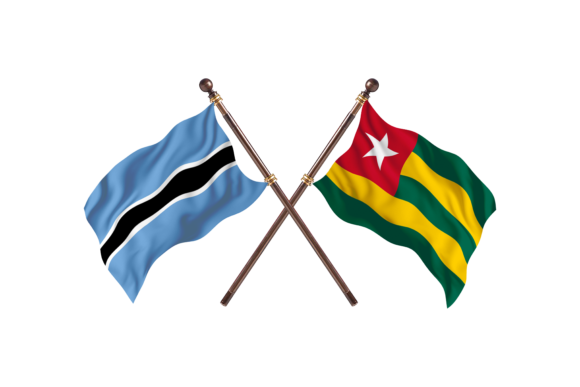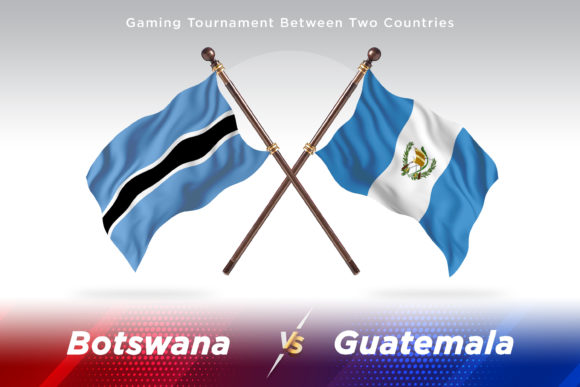
Botswana and Guatemala: A Visual Journey Through Their Official Flags
Flags are more than just colorful banners; they are powerful symbols of identity, history, and national pride. The flags of Botswana and Guatemala represent the unique stories and cultures of these two countries. In this article, we'll explore the design elements, meanings, and historical context of both flags while also touching on how they can be used in modern digital and creative contexts—especially when it comes to isolated background illustrations or layered design files like PSDs.
The Flag of Botswana: Simplicity with Deep Meaning
The national flag of Botswana was adopted on September 30, 1966, when the country gained independence from British colonial rule. Designed by Mr. Samuel Masopha Maluome, a local artist, the flag is known for its clean and minimalist style. It consists of three horizontal stripes of equal width in blue, black, and white, with a light blue triangle at the hoist end (the side attached to the pole).
- Blue stripe and triangle: Represents the Okavango River and other water sources that are vital to the nation's life and economy.
- Black stripe: Symbolizes the people of Botswana—their strength, resilience, and unity.
- White stripe: Embodies peace, purity, and the aspirations of the nation.
What makes Botswana’s flag stand out is its use of color symbolism to reflect natural resources and cultural values. Its simplicity allows it to be easily recognizable and versatile for various uses—from government buildings to digital media.
The Flag of Guatemala: A Blend of Tradition and Modernity
In contrast to Botswana’s flag, the Guatemala flag carries a more complex design rooted in Mayan heritage and Catholic traditions. The flag features three horizontal stripes in blue, white, and blue again, with a central emblem containing a shield, a quetzal bird, a trident-like scroll, and a ribbon with the national motto.
- Blue stripes: Represent the sky and the sea surrounding the country, as well as the hope and aspirations of the Guatemalan people.
- White stripe: Signifies peace, sincerity, and justice.
- Central emblem: This intricate symbol includes several key elements:
- The quetzal bird, a national symbol representing freedom.
- The scroll with three Mayan glyphs stands for the indigenous heritage of the region.
- The shield shaped like the volcano Tajumulco reflects the country’s natural beauty and volcanic landscape.
- The motto “Honor, Unión, Justicia” (Honor, Unity, Justice) underscores the nation's core values.
Guatemala’s flag is rich in cultural significance and tells a story of the country's diverse past and present. While visually more intricate than Botswana’s flag, it remains a proud emblem of identity and heritage for millions of Guatemalans.
Comparing Botswana and Guatemala Flags: Design and Symbolism
When comparing the flags of Botswana and Guatemala, one notices stark differences in design philosophy and symbolism. Botswana opts for minimalism and direct representation, using only colors and a simple triangular shape to convey meaning. Guatemala, on the other hand, chooses complexity and narrative depth through its emblematic center.
Despite these differences, both flags share common themes such as:
- Unity among the people.
- A tribute to nature and geographical features.
- Symbolic representation of peace and sovereignty.
Why These Flags Matter
National flags serve multiple purposes beyond aesthetics. They are used in official events, international diplomacy, sports competitions, and educational materials. Understanding the symbolism behind each flag helps foster respect and awareness across cultures. For example, during the FIFA World Cup or the Olympics, fans and participants recognize flags not just as team identifiers but as embodiments of entire nations’ histories and identities.
Additionally, flags play a crucial role in branding and graphic design. When you see Botswana’s flag in an infographic or Guatemala’s in a travel brochure, it immediately conveys the essence of the country without needing words. This makes them valuable tools in communication and storytelling.
Isolated Background Illustrations: A Modern Approach to Country Flags
In today’s digital world, there is a growing need for high-quality visual assets that can be used in presentations, websites, marketing campaigns, and even artistic projects. That’s where isolated background illustrations come into play. These are vector-based or rasterized images of country flags designed to sit alone on a transparent or plain-colored background.
An illustration featuring the flags of Botswana and Guatemala against a clean backdrop offers designers the flexibility to integrate these flags into any project seamlessly. Whether you're creating a PowerPoint presentation about global economies, a website showcasing international trade partners, or a social media post promoting cultural diversity, having these flags as isolated elements is essential for clarity and professionalism.
3D Waving Flags: Adding Depth and Realism
One of the latest trends in flag design is the use of 3D waving effects. These renderings give the illusion of movement and realism, making the flags feel dynamic rather than static. This effect is particularly useful in promotional videos, animations, or interactive web content where engagement is key.
With a 3D waving position, the flags appear as if they are fluttering in the wind, which adds a sense of liveliness and authenticity. This technique is widely used in tourism advertising, product packaging, and virtual backgrounds to create a more immersive experience for the viewer.
Using Layers for Flexibility in Design
If you're a designer working with tools like Adobe Photoshop, you might appreciate the value of well-organized layers in a file. A typical package for Botswana and Guatemala flags would include a PSD file with each flag placed on its own layer. This allows for easy editing, repositioning, and customization.
Here’s what you can expect from a professional flag design bundle:
- PSD File (4500 x 3000 px): High-resolution, scalable for print or digital use.
- JPEG File: Ready-to-use format ideal for web publishing and presentations.
- PNG File: Transparent background option for overlays and digital graphics.
- Smart Objects: Enables non-destructive editing, so you can resize or recolor the flags without losing quality.
This kind of setup is especially beneficial for businesses, educators, and creatives who need to adapt their visuals quickly for different platforms or audiences. For instance, a school teacher preparing a geography lesson could use the PNG version to overlay the flags onto maps or infographics, while a brand marketer might utilize the JPEG in a campaign focused on international partnerships.
Customization and Scalability
Thanks to smart objects and layered PSD files, users can modify the flags without altering the original artwork. You can adjust size, color, or even add new elements like text, logos, or icons. This level of control ensures your final output aligns perfectly with your design goals.
Moreover, if you find that the current set doesn’t include all the flags you need, most professional bundles allow you to request additional ones. This means you can build a comprehensive visual library tailored to your specific needs—whether it's for a multinational corporation, a travel blog, or a personal art portfolio.
Flags in Education and Global Awareness
Flags are frequently used in educational settings to teach students about geography, politics, and culture. In classrooms around the world, children learn to identify flags as part of their global studies curriculum. For teachers, having access to isolated flag illustrations simplifies the process of creating engaging and informative materials.
Consider a scenario where a teacher wants to explain the difference between African and Central American nations. Showing the flag of Botswana next to the flag of Guatemala gives students a clear visual comparison, reinforcing their learning in a memorable way. Similarly, in online courses or e-learning modules, high-quality flag images enhance the user experience and aid comprehension.
Flags in Business and Branding
For businesses operating internationally, flags are an important component of brand identity and market strategy. A company looking to expand into Botswana or Guatemala might incorporate the respective flags into their promotional materials to signal respect and understanding of the local culture.
Designers often work with layered flag illustrations to create multilingual brochures, regional office designs, or custom merchandise. The ability to edit each flag individually ensures consistency and accuracy in branding efforts.
Technological Integration of Country Flags
With the rise of digital tools and software, integrating country flags into digital products has never been easier. From mobile apps to e-commerce sites, flags help users identify locations, languages, and services relevant to them. Developers may use the JPEG or PNG versions of flags to display regional settings or to highlight international availability of a service.
Graphic designers also benefit from the scalability of vector-based flags. Even though the examples here focus on raster formats like PSD, JPEG, and PNG, many flag illustrations are available in SVG format as well, ensuring crisp, clear visuals at any size.
Flags in Art and Creativity
Artists and illustrators often use country flags as part of broader compositions. Whether it's a collage depicting globalization, a mural celebrating diversity, or a digital artwork showing interconnected nations, having flags isolated on separate layers makes the creative process much smoother.
These flags can also be animated. Imagine a video showing the flag of Botswana gently waving alongside the flag of Guatemala, symbolizing cooperation and mutual respect. Such visuals are not only beautiful but also meaningful in conveying messages of unity and collaboration.
Common Misconceptions About National Flags
While flags are universally recognized, there are some common misconceptions about their design and usage. One assumption is that all flags must have a coat of arms or complex emblem to be authentic. However, as seen with Botswana’s flag, sometimes the most powerful flags are those with the simplest designs.
Another misconception is that flags are purely decorative. In reality, they are steeped in history and often carry deep political and cultural significance. For example, the quetzal bird on Guatemala’s flag is not just a pretty image—it is a symbol of independence and liberty, inspired by the ancient Maya civilization.
Choosing the Right Format for Your Project
When working with flags in design projects, choosing the right file format is essential. Here’s a quick breakdown:
- PSD: Best for detailed editing in Photoshop, especially when you want to make changes to individual layers or apply filters and effects.
- JPEG: Ideal for web use due to its small file size and compatibility with most browsers.
- PNG: Preferred for transparency and high-quality images, especially when placing flags over other graphics or photos.
Having access to all these formats in a single download package gives you the flexibility to choose based on your platform and requirements.
Conclusion: Flags as Symbols of Identity and Innovation
The flags of Botswana and Guatemala are more than just representations of their nations—they are visual narratives of history, culture, and values. Whether you’re a student, educator, designer, or business owner, understanding and utilizing these flags effectively can enhance your work and communication.
With modern design tools and high-quality assets like layered PSDs, JPEGs, and PNGs, incorporating country flags into your projects has become more accessible and customizable than ever before. As we continue to embrace a global perspective in education, business, and creativity, these flags will remain powerful symbols of connection and identity.
So next time you see the flag of Botswana or the flag of Guatemala, take a moment to appreciate the stories they tell—and consider how you can bring those stories to life in your own work.