Brazil Versus Gambia: A Visual Journey Through Two Official Country Flags
Flags are more than just colorful pieces of cloth; they are powerful symbols that represent the identity, history, and culture of a nation. When you look at the flags of Brazil and Gambia, two countries from vastly different continents—South America and West Africa—you can see how each tells its own unique story through design, color, and symbolism.
The Flag of Brazil: Colors of Unity and Nature
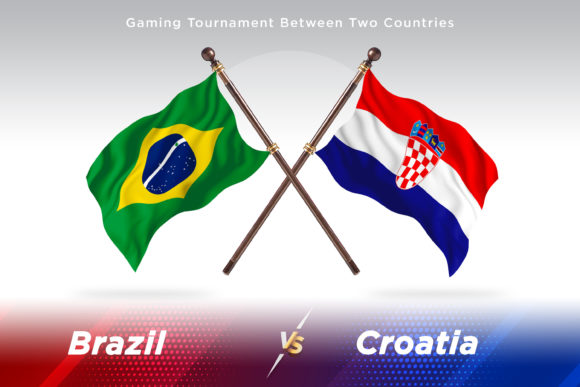
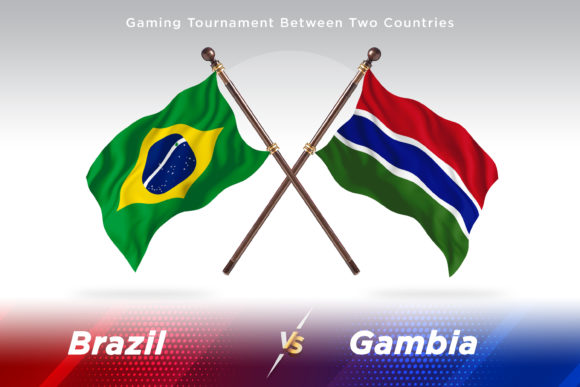
The flag of Brazil is one of the most recognizable in the world. It features a green field with a large yellow diamond in the center, containing a blue circle with 27 white five-pointed stars and a white band crossing the diamond diagonally. The colors and elements have deep meanings:
- Green: Represents the House of Braganza, which played a crucial role in Brazilian independence.
- Yellow: Symbolizes the country's wealth and natural resources, particularly gold.
- Blue Circle: Stands for the sky over Rio de Janeiro on November 15, 1889—the day the current flag was adopted.
- Stars: Represent the Southern Cross constellation and the states of Brazil at the time of the flag’s creation.
- White Band: Contains the national motto “Ordem e Progresso,” meaning “Order and Progress,” reflecting Enlightenment ideals.
This design is not only visually striking but also rich in historical context. It serves as a unifying emblem for a diverse and culturally rich country like Brazil, where the flag appears in everything from government buildings to sports arenas and homes during national celebrations.
Practical Use in Design Projects
If you're working on a design project that involves the flag of Brazil, having it isolated on its own layer in a high-resolution PSD file makes editing and customizing much easier. Whether you're creating a presentation, marketing material, or an infographic, being able to adjust the position, size, or background separately allows for greater creative control. This is especially useful when combining multiple flags, such as in a comparison illustration between Brazil and Gambia.
The Flag of Gambia: A Banner of Peace and Resilience
In contrast to Brazil’s vibrant and complex design, the flag of Gambia is simple yet profound. It consists of three horizontal stripes—green, blue, and gold—with a red star centered in the blue stripe. Each element holds symbolic significance:
- Green: Represents agriculture and the lush natural environment of the country.
- Blue: Symbolizes the Gambia River, which is central to the nation’s geography and economy.
- Gold: Reflects the country's mineral wealth and fertile lands.
- Red Star: Embodies the unity and progress of Gambians across all regions and cultures.
Gambia’s flag is a symbol of peace and resilience, often seen during national events and international gatherings. Its clean layout and bold use of primary colors make it stand out in visual compositions, while still conveying a sense of calm and stability.
Design Flexibility and Creative Possibilities
Like the Brazilian flag, the Gambian flag is provided in this bundle as an isolated vector on its own layer, allowing designers to manipulate it easily within their projects. The availability of both JPEG and PNG formats ensures compatibility across various platforms, from digital banners to print media. And with smart objects enabled in the PSD file, even those new to Adobe Photoshop can edit the flag without compromising quality or clarity.
Comparing Brazil and Gambia: A Cultural and Geographical Contrast
While Brazil and Gambia differ greatly in size, population, and economic structure, their flags reflect shared values such as unity, natural beauty, and national pride. However, the differences in design highlight their distinct cultural backgrounds:
- Complexity vs. Simplicity: Brazil’s flag is intricate, mirroring the country’s vast diversity and history. Gambia’s flag is minimalist, echoing its focus on unity and harmony.
- Color Symbolism: Brazil uses green and yellow to denote nature and prosperity, whereas Gambia emphasizes green for agriculture and gold for wealth.
- Geographical Influence: The blue circle in Brazil represents the sky, while the blue stripe in Gambia honors the Gambia River.
These flags offer excellent opportunities for educational content creators, marketers, and designers who want to showcase global diversity in a visual format. For instance, a teacher could use these flags in a lesson about South American and African nations, while a designer might incorporate them into a travel-themed poster or a cultural awareness campaign.
Using Flags in Modern Contexts
Country flags play a vital role in today’s digital and physical landscapes. They are used in:
- International Events: During the Olympics or World Cup, flags are displayed to celebrate athletes and foster global unity.
- Corporate Branding: Businesses may include flags in presentations or websites to show multicultural support or regional operations.
- Education: Schools and universities use flags to teach geography, history, and political science.
- Creative Projects: Artists and illustrators integrate flags into designs to add authenticity and visual interest.
By providing these flags in a well-organized 3D waving position, this illustration helps bring a dynamic and realistic touch to any design. The layered approach means you can adjust the depth, angle, or transparency of each flag independently, making your composition more engaging and professional-looking.
Why Isolated Layers Matter in Design Work
When designing with country flags, using files with isolated layers offers several advantages:
- Editability: Each flag is a separate entity, so you can modify it without affecting others in the composition.
- Clarity: Clear layer naming and organization help maintain workflow efficiency, especially in large-scale projects.
- Customization: You can replace or reposition flags as needed, which is ideal if you need to add other flags later.
- Quality Preservation: Smart objects ensure that scaling and transformations don’t degrade image quality.
For example, if you’re creating a concept illustration titled “Flags Around the World,” you can start with Brazil and Gambia and then expand by adding flags from other countries. With organized layers, this process becomes intuitive and hassle-free.
Real-World Applications
Here are some practical examples of how these flags can be used in real-world scenarios:
- Marketing Campaigns: Travel agencies or cultural festivals might feature these flags to promote destinations or themes.
- Educational Materials: Teachers and educators can use the flags to create interactive maps or lessons about global cultures.
- Graphic Design: Logo designers, web developers, and app creators can integrate these flags into user interfaces or promotional graphics.
- Social Media Content: These flags can be used in posts highlighting international cooperation, cultural exchange, or global events.
Whether you're a student learning about flags for the first time or a professional looking to enhance your design toolkit, understanding the purpose and symbolism behind these flags adds value to your work.
Expanding Your Collection: Adding More Flags
Though this bundle includes the flags of Brazil and Gambia, there are many more official country flags around the world. If your project requires additional flags, you can request specific ones to be added. This flexibility allows you to build a comprehensive visual library tailored to your needs.
Some popular flags to consider adding next might include:
- United States – for business or tech-related designs.
- Japan – for cultural or East Asian-focused projects.
- France – for European themes or fashion illustrations.
- Kenya – to continue exploring African flags and their meanings.
Each new flag brings a fresh perspective and enriches the overall narrative of your design. It’s a great way to visually demonstrate the interconnectedness of our global society.
Common Misunderstandings About Country Flags
Many people assume that all country flags are created equal or that they only serve decorative purposes. In reality, every flag has a unique backstory and set of rules governing its display. Here are a few common misconceptions:
- Flags are interchangeable: No, each flag must be treated with respect and according to its country's protocols.
- Only the colors matter: While colors carry meaning, the placement, number of elements, and overall design are equally important.
- They can be altered freely: Modifying a flag's design can be offensive or illegal in some cases. Always research before making changes.
By using authentic and well-documented flag assets like those included in this bundle, you can avoid these pitfalls and ensure your designs are respectful and accurate.
How to Get Started with This Flag Bundle
If you're new to working with country flags in design software, here’s a quick guide to getting started:
- Open the PSD file in Adobe Photoshop.
- Locate the layers labeled clearly with the names of Brazil and Gambia.
- Edit each flag individually using smart objects for non-destructive adjustments.
- Use the JPEG and PNG files for quick sharing or embedding in websites and social media.
- Consider adding more flags to the scene based on your project’s theme or audience.
With this setup, you can create stunning visuals that inform and inspire. The 4500 x 3000 px resolution ensures that your final output looks sharp on both digital and printed media, making it suitable for presentations, posters, brochures, and more.
Final Thoughts
Flags are windows into the soul of a nation. The flags of Brazil and Gambia, though different in style and origin, both embody the spirit of their people and the land they call home. By incorporating them into your designs, you not only enhance the visual appeal but also contribute to a deeper understanding of global cultures.
As you explore the possibilities of this flag illustration, remember that thoughtful design goes beyond aesthetics—it communicates respect, knowledge, and creativity. Whether you're building a concept map, preparing for a global event, or simply curious about the world, these flags will serve as valuable tools in your journey.