Understanding the Visual Power of Country Flags: Brazil Versus Croatia in Design
In today's digital world, visual design plays a crucial role in communication. Whether you're creating marketing materials, educational content, or artistic illustrations, incorporating country flags can add depth and context to your work. One popular example is the Brazil versus Croatia two flags concept, which highlights how flags can be used to represent national identity, cultural differences, and global connections. This article explores the significance of using official country flags in design, focusing on their purpose, relevance, and creative potential.
The Role of Country Flags in Global Communication
Country flags are more than just colorful pieces of cloth—they are powerful symbols that represent nations, their histories, and their people. When designers use flags like those of Brazil and Croatia, they tap into these deep-rooted meanings. A flag can communicate values, traditions, and even political stances at a glance. In international contexts such as sports events, business collaborations, or educational presentations, flags serve as quick identifiers of national origin or affiliation.
Why Use Isolated Flag Backgrounds?
Creating an illustration with country flags versus background allows for greater flexibility in design. An isolated flag means it is placed on its own layer without any background interference. This technique is especially useful when you need to edit, resize, or reposition the flag within your design. For instance, if you’re making a poster comparing Brazil and Croatia for a geography lesson or a travel brochure, having each flag isolated ensures that you can customize them individually while maintaining clarity and professionalism.
Exploring the Brazil Versus Croatia Two Flags Concept
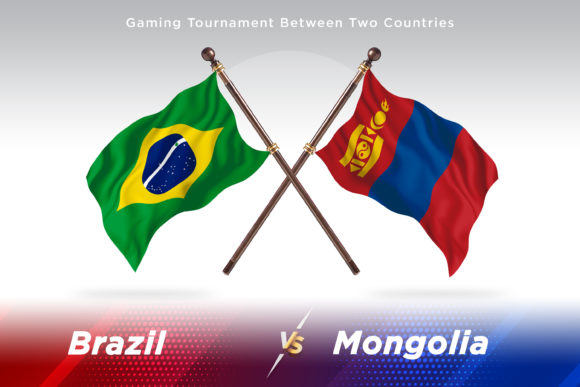
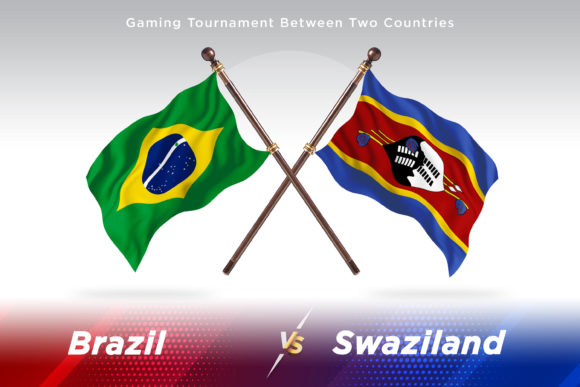
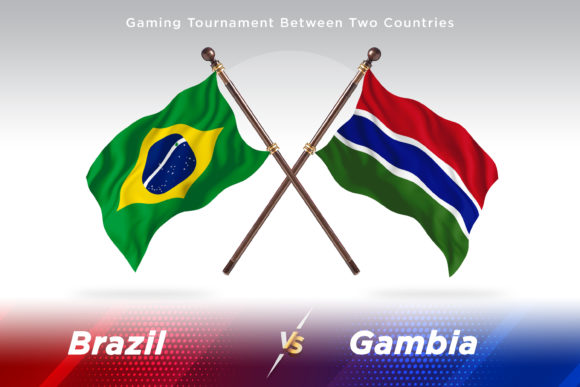
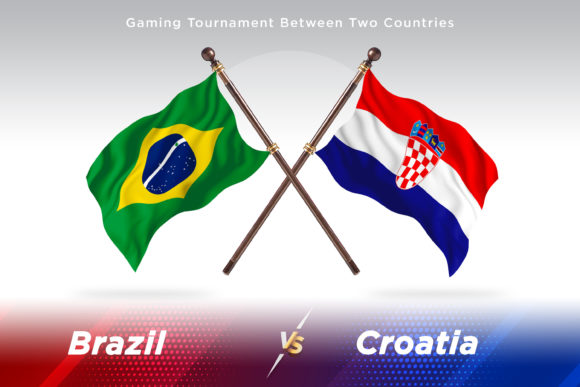
When you look up "Brazil versus Croatia two flags," you're often presented with a side-by-side comparison of the two countries' official banners. These flags carry unique stories and elements:
- Brazil’s Flag: The green field symbolizes the forests, while the yellow diamond represents the nation's wealth. The blue circle and stars depict the night sky over Rio de Janeiro on November 15, 1889—the day the republic was proclaimed. At the center lies the motto “Ordem e Progresso,” meaning “Order and Progress.”
- Croatia’s Flag: Featuring a red and white checkerboard pattern known as the "chequy," this design has historical roots in the coat of arms of the Kingdom of Croatia. The blue triangle at the hoist side stands for freedom and equality, and the white cross represents Christian faith and unity.
By visually contrasting these two flags, designers can emphasize cultural diversity and geographical distinction. This is particularly relevant in fields like graphic design, where the ability to convey complex ideas through simple visuals is essential.
Designing with Waving Flags in 3D
A modern twist on flag illustrations includes rendering them in 3D waving position. This adds a dynamic element to static designs, making them more engaging and lifelike. Imagine showcasing Brazil and Croatia in a promotional video for the FIFA World Cup—having their flags wave realistically in a wind effect can enhance the emotional appeal and authenticity of the scene.
Such 3D effects are commonly used in event branding, virtual backgrounds, and digital art. They allow for seamless integration into various media formats, from websites to mobile apps, ensuring that the flags remain prominent yet not overpowering.
Practical Applications of Official Country Flags in Design
Using official country flags in design is not only symbolic but also highly practical. Here are some common applications:
- International Events: Flags help identify participating countries in events like the Olympics or the World Cup. For example, a designer might create a visual showing Brazil versus Croatia in a match preview using both flags to give the audience immediate recognition of the teams involved.
- Travel and Tourism: Travel agencies and tourism boards frequently use flags to promote destinations. A well-organized set of flags, such as those in a versus format, could be part of a brochure comparing different cultures or climates across continents.
- Education: Teachers and educators use flags to teach geography, history, and cultural studies. Providing students with an image that isolates Brazil and Croatia flags makes it easier to study and compare their features.
- Business and Marketing: Companies operating internationally may include flags in their branding to show global reach. A logo that integrates Brazil and Croatia flags in a clean layout could signal partnerships or market presence in both countries.
Benefits of Using Smart Objects in Flag Design
If you're working with tools like Adobe Photoshop, you'll appreciate the power of smart objects when editing flags. Many downloadable assets feature flags as smart objects, allowing you to scale, rotate, or apply filters without losing quality. This is especially important when dealing with high-resolution images (such as a 4500 x 3000 px PSD file), as it ensures that every detail remains crisp and clear.
Smart objects also make it easy to update the design later. Suppose you want to change the color scheme of your project or adjust the lighting; you can do so efficiently by modifying the smart object rather than rebuilding the entire illustration from scratch.
Organized Layers for Professional Results
One of the key aspects of professional design is organization. A file containing all the world’s official country flags should have each flag on its own clearly labeled layer. This helps designers manage complex projects with ease. For example, if you're creating a large infographic that compares multiple countries, having Brazil and Croatia flags on separate layers ensures you can move, adjust, or hide them independently without disrupting the rest of the composition.
Well-organized layers are especially beneficial for collaborative projects. When multiple team members are working on the same file, clear labeling prevents confusion and streamlines the workflow. Additionally, if you need to extract a specific flag for another project, the process is much simpler when everything is neatly separated.
Choosing Between JPEG and PNG Formats
Depending on your project’s needs, you might prefer either a JPEG or PNG version of the flags. JPEG files are ideal for web use due to their smaller size and efficient compression. However, they don't support transparency, which can be a limitation when placing flags over complex backgrounds.
PNG files, on the other hand, offer lossless compression and support transparent backgrounds. If you're designing a banner or a presentation slide where the flags will sit above photos or videos, a PNG file is the better choice. It ensures that the flags stand out without any background clutter.
Expanding Your Design Possibilities
While Brazil and Croatia flags provide a compelling example of how to use flags in a versus format, the same principles apply to flags from around the world. Whether you're interested in Asian, European, African, or South American flags, the right design tools and assets can help you bring your vision to life.
If the flags you need aren’t included in the initial bundle, many designers and stock asset providers offer custom options. Simply ask for additional flags, and they can be added to your file in the same organized and editable format. This makes it possible to create truly comprehensive and globally inclusive designs.
How to Incorporate Flags Creatively
Flags don’t always have to be displayed side by side in a literal way. You can get creative with how you integrate them into your work:
- Flag-based infographics: Use flags to highlight statistics about different countries, such as population, GDP, or climate data.
- Minimalist posters: Feature a single flag in a minimalist design to celebrate a country’s culture or achievements.
- Interactive maps: Embed flags into clickable maps for educational or informational purposes, allowing users to explore details about each country.
- Brand identities: Create a logo or icon that blends the flags of partner countries, symbolizing collaboration and unity.
These approaches demonstrate how versatile flags can be in visual storytelling. They open the door to countless design opportunities, especially when paired with thoughtful composition and typography.
Clarifying Common Misunderstandings About Flags in Design
There are several misconceptions about using country flags in design:
- Misconception 1: Flags are only for patriotic or governmental use. Reality: While respect must be shown, flags are widely used in commercial and educational settings to represent nations in a neutral and informative manner.
- Misconception 2: Any flag image will do for a project. Reality: Official flags must be accurate in color, proportions, and symbolism. Using incorrect versions can lead to misrepresentation or unintended offense.
- Misconception 3: Flags can't be stylized or animated. Reality: With the right tools and techniques, flags can be creatively rendered in vector form, 3D animation, or layered compositions to suit the project’s aesthetic goals.
By understanding these nuances, you can ensure that your use of flags enhances your design rather than detracts from it. Always verify the accuracy of the flag and consider its cultural implications before integrating it into your work.
Tools and Resources for Working with Flags
For designers looking to work with flags like those of Brazil and Croatia, there are several resources available:
- Adobe Creative Cloud offers advanced tools for editing and organizing layered flag files.
- Websites like Flaticon and Pexels provide free and premium flag icons suitable for digital projects.
- Professional stock platforms like Shutterstock and iStock have extensive libraries of high-quality flag illustrations and templates.
These tools can help you maintain consistency, accuracy, and creativity in your designs. Whether you're building a website, preparing a presentation, or crafting social media graphics, the right flag assets can elevate your work significantly.
Final Thoughts on Flag-Based Design
The Brazil versus Croatia two flags concept is just one example of how country flags can enrich visual design. By using isolated flag illustrations, smart objects, and well-organized layers, designers can create flexible and impactful compositions. These flags not only serve as visual elements but also as bridges to understanding and appreciation of global cultures.
As we continue to live in an interconnected world, the ability to represent diverse nations through design becomes increasingly valuable. Whether you're a beginner exploring basic graphic design or an experienced professional seeking to refine your workflow, incorporating flags into your projects can add a meaningful layer of storytelling and identity.
So next time you're working on a design that requires a touch of global flavor, remember the importance of choosing the right flag assets. Let them speak for themselves—and let your creativity guide the way.