Brazil Versus Mongolia: The Power of Country Flags in Creative Design and Global Branding
In the world of design, branding, and digital marketing, visual elements play a crucial role in capturing attention and conveying meaning. One such element that has gained increasing relevance is the use of country flags to represent cultural identity, geographic context, or international collaboration. A notable example is the Brazil Versus Mongolia Two Flags concept — a creative illustration that juxtaposes the national flags of Brazil and Mongolia in an engaging and visually rich format.
What Is Brazil Versus Mongolia Two Flags?
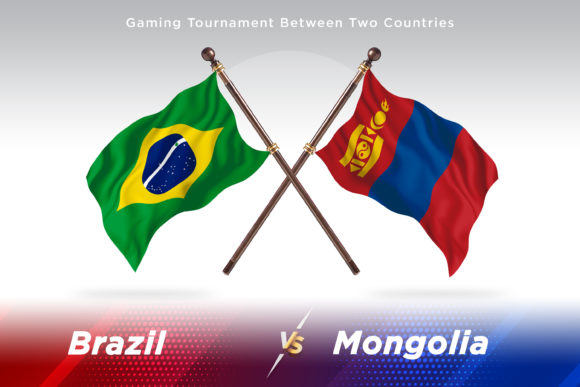
The Brazil Versus Mongolia Two Flags concept is a digital artwork designed for professionals who work with global themes. It features two high-quality, officially accurate country flags displayed side by side in a 3D waving position. This illustration is not just about aesthetics; it's built with functionality in mind. Each flag is placed on its own isolated layer within a single PSD file, making it easy to customize and integrate into various projects.
This resource includes:
- A PSD file at 4500 x 3000 pixels resolution, ideal for detailed editing and professional design workflows.
- A JPEG version for quick sharing and compatibility across platforms.
- A PNG file for transparent backgrounds and clean compositions.
- Smart objects embedded in the PSD for seamless edits without compromising image quality.
- Well-organized layers with clear naming conventions for ease of navigation and modification.
Why This Concept Resonates with Modern Professionals
As globalization continues to shape industries from fashion to technology, the need for culturally relevant and visually compelling content has never been greater. For entrepreneurs, marketers, and designers, the ability to incorporate authentic representations of countries like Brazil and Mongolia into their work can enhance storytelling, build trust, and create a more inclusive brand message.
Cultural Representation and Inclusivity
Flags are powerful symbols. They represent nations, identities, and values. When used thoughtfully in design, they help audiences connect emotionally and culturally. The Brazil Versus Mongolia Two Flags concept allows creators to highlight the unique heritage of both countries while exploring contrasts in geography, culture, and history. Whether you're designing a promotional campaign for an international event or illustrating a geopolitical comparison, this tool offers a reliable and respectful way to include real-world flags in your visuals.
Customization for Diverse Use Cases
One of the standout features of this design bundle is its flexibility. Because each flag is on a separate layer, users can easily swap out one flag for another if needed. This makes the Brazil Versus Mongolia Two Flags concept particularly valuable for businesses working with multiple markets or for educational institutions creating materials on international relations.
For instance, a marketing agency promoting a new product line available in both South American and Asian markets might use this illustration to symbolize the global reach of their client’s offerings. Similarly, a travel blog could leverage these flags to introduce articles about cultural experiences in Brazil and Mongolia, helping readers visualize the destinations before they visit.
Trends Driving the Demand for Flag-Based Visuals
Several trends have contributed to the rising popularity of flag-based illustrations in recent years. As companies expand their operations beyond borders, there is a growing need for design assets that reflect diverse international audiences. Additionally, the rise of remote work and digital collaboration has increased the demand for tools that make cross-cultural communication easier and more visually engaging.
Globalization in Business and Marketing
Businesses today operate in a highly interconnected world. From e-commerce platforms targeting customers in over 100 countries to multinational corporations launching campaigns tailored to local audiences, the use of flags helps establish a sense of place and familiarity. The Brazil Versus Mongolia Two Flags concept fits seamlessly into these needs, offering a scalable solution for professionals looking to incorporate country-specific imagery into their designs.
Content Creation for International Audiences
With the expansion of social media and video platforms like YouTube and TikTok, content creators are reaching audiences all over the globe. This shift has led to a demand for design resources that support multilingual and multicultural content. Using official flags in these contexts ensures accuracy and respect, which is essential when building a global audience.
For example, a YouTuber discussing the differences between Brazilian and Mongolian lifestyles might use this illustration as part of their opening sequence or infographic slides. The visual contrast between the green, yellow, and blue of Brazil’s flag and the red and blue of Mongolia’s flag provides a striking backdrop for comparative storytelling.
Adapting to Changing Design Needs and Workflows
Modern design workflows prioritize efficiency, adaptability, and scalability. Traditional methods of incorporating flags often required sourcing individual images, ensuring color accuracy, and dealing with licensing issues. The Brazil Versus Mongolia Two Flags concept eliminates many of these challenges by providing pre-designed, legally compliant, and editable flag illustrations in one package.
Streamlining the Creative Process
Designers and freelancers often juggle multiple projects with tight deadlines. Having access to a ready-to-use illustration that includes smart objects and layered flags means less time spent on asset preparation and more time dedicated to creativity and execution. This streamlined workflow is especially beneficial in fast-paced environments where speed and precision are key.
Supporting Dynamic Presentations and Reports
Entrepreneurs and business analysts frequently use presentations to showcase market research, strategic plans, or partnership opportunities. Including flags like those of Brazil and Mongolia can add clarity and visual interest to slides, helping stakeholders quickly grasp the geographical scope of a project. With this design, you can effortlessly adjust colors, positions, or even replace flags to match evolving presentation needs.
Practical Applications Across Industries
The versatility of the Brazil Versus Mongolia Two Flags concept makes it applicable across a wide range of industries. Here are some practical examples of how it can be used:
- Marketing Campaigns: Highlight the launch of a product in two different regions or compare consumer behavior across continents.
- Travel and Tourism: Use the flags in brochures, website banners, or social media posts to promote travel packages to Brazil and Mongolia.
- Education and Research: Incorporate the flags into infographics or posters for lessons on geography, culture, or political systems.
- Game Development: Integrate the flags into game menus or background art to represent different regions or factions.
- Graphic Design Projects: Add depth and realism to editorial layouts, book covers, or event invitations with dynamic 3D flag visuals.
These use cases illustrate how a seemingly simple design resource can become an integral part of larger, data-driven strategies. By leveraging the Brazil Versus Mongolia Two Flags concept, professionals can create content that resonates with a global audience while maintaining a high level of design integrity.
Connecting to Larger Developments in Digital Content
As the digital landscape becomes increasingly competitive, the ability to stand out through thoughtful design is more important than ever. The trend toward using symbolic imagery — such as flags — is part of a broader movement toward more immersive and meaningful user experiences. This is especially true in sectors like fintech, health tech, and e-learning, where visual clarity and cultural sensitivity are paramount.
Moreover, the emphasis on vector-based and layered assets reflects the industry’s shift toward reusable and adaptable design components. Tools like Photoshop smart objects allow designers to modify elements without losing quality, which is essential for maintaining consistency across multiple platforms and formats.
Enhancing Digital Storytelling
Visual storytelling is now a cornerstone of content strategy. Whether it’s through blogs, podcasts, or video scripts, creators are constantly seeking ways to engage viewers with vivid imagery. The Brazil Versus Mongolia Two Flags concept supports this by offering a compelling visual metaphor for contrast, unity, or diversity.
Imagine a documentary filmmaker using this illustration to open a segment on cultural exchange programs between Brazil and Mongolia. Or consider a lifestyle influencer using the flags in a post about traditional clothing and customs from both countries. In each case, the flags serve as more than just decorative elements — they become narrative tools that enrich the viewer’s understanding and connection to the subject matter.
Looking Ahead: The Future of Flag-Based Design Resources
As we move further into the digital age, the demand for specialized, culturally aware design assets will only continue to grow. The Brazil Versus Mongolia Two Flags concept represents a forward-thinking approach to meeting these needs. It acknowledges the importance of visual representation while also addressing the technical requirements of modern design workflows.
Furthermore, the inclusion of smart objects and layered files aligns with the increasing preference for customizable templates. Designers no longer want one-size-fits-all solutions; they want the freedom to adapt and personalize their creations. This concept empowers them to do exactly that, whether they’re working on a small freelance project or a large-scale corporate campaign.
Expanding Possibilities with Additional Flags
While the current bundle focuses on Brazil and Mongolia, the beauty of this concept lies in its potential for expansion. If your project involves other countries or regions, you can request additional flags to be included. This adaptability ensures that the Brazil Versus Mongolia Two Flags concept remains relevant across a variety of contexts and industries.
For example, a designer working on a project comparing Latin American and Central Asian cultures may find themselves needing flags from Argentina or Kazakhstan next. The ability to build upon this foundation makes the design not just a static resource but a starting point for deeper exploration and creative development.
Final Thoughts
The Brazil Versus Mongolia Two Flags concept is more than just an artistic composition — it’s a strategic design tool that bridges the gap between global awareness and creative expression. In a time when international connections are vital to success, having access to high-quality, officially accurate flag illustrations can make a significant difference in the impact and professionalism of your work.
By integrating this resource into your design process, you’re not only enhancing the visual appeal of your projects but also demonstrating a commitment to authenticity and inclusivity. Whether you're a marketer, educator, entrepreneur, or content creator, the ability to represent countries like Brazil and Mongolia with precision and style is an invaluable asset in your toolkit.