Brunei Versus Norway Two Flags: A Creative Tool for Global Branding and Design
In today’s interconnected world, the visual representation of countries plays a vital role in branding, marketing, and creative design. The Brunei Versus Norway Two Flags concept has emerged as a compelling illustration that combines country flags with a competitive or comparative theme, often used to highlight differences, similarities, or contrasts between two distinct nations. This article explores the significance of this concept, its applications in various industries, and how it aligns with evolving design and consumer trends.
Understanding the Brunei Versus Norway Two Flags Concept
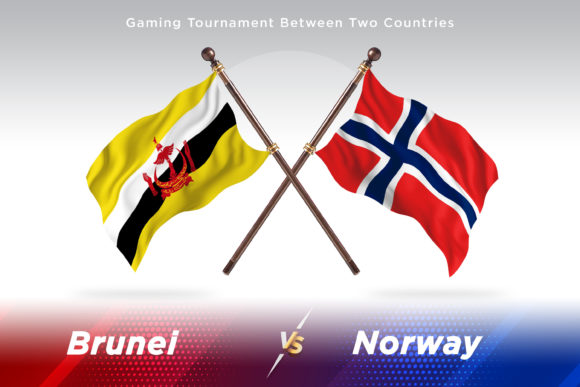
The Brunei versus Norway two flags idea is more than just an artistic depiction; it's a symbolic tool that allows designers, marketers, and content creators to visualize the relationship between these two unique countries. Each flag represents a nation with its own cultural heritage, economic structure, and political identity. When placed side by side or in a dynamic 3D waving position, they create a powerful image that can be interpreted in multiple ways — from geopolitical analysis to brand storytelling.
This particular design includes two official country flags, Brunei and Norway, each meticulously crafted and isolated on its own layer within a high-resolution PSD file (4500 x 3000 px). Alongside the PSD, you receive JPEG and PNG formats, making it versatile for different platforms and uses. The use of smart objects ensures that edits are non-destructive and maintain quality, which is essential for professional workflows.
Relevance in Modern Industry and Market Trends
With globalization at the forefront of business strategy, there is a growing demand for tools that help professionals understand and represent international markets visually. The Brunei versus Norway two flags illustration fits perfectly into this context. It provides a clean, scalable way to introduce geographic elements into presentations, reports, infographics, and digital campaigns.
Marketers and entrepreneurs are particularly interested in such visuals because they can serve as a foundation for discussing market entry strategies, cultural nuances, and demographic comparisons. For example, when launching a product in Southeast Asia, comparing Brunei’s market characteristics with those of Norway offers valuable insights into different regulatory environments and consumer behaviors.
Why This Concept Is Gaining Attention
There are several reasons why the Brunei versus Norway two flags concept is catching the eye of professionals across industries:
- Geopolitical Interest: As global events continue to shape trade policies and diplomatic relations, having a visual reference like this helps explain complex relationships in a digestible format.
- Creative Flexibility: The layered structure of the PSD file allows for customization, enabling users to adapt the design for specific projects without compromising clarity or detail.
- High Resolution and Quality: At 4500 x 3000 pixels, the design supports large-format printing and high-definition digital displays, ensuring professional-grade results every time.
- Industry Demand: From travel agencies to international corporations, many businesses require accurate and aesthetically pleasing representations of national identities in their materials.
Changing Needs and Expectations in Design Workflows
Designers today are under pressure to deliver work that is not only visually appealing but also adaptable and efficient. Traditional methods of incorporating flags into designs often involved tedious clipping paths or low-quality stock images. The Brunei versus Norway two flags resource addresses these pain points by offering:
- Layer Organization: Each flag is placed on a separate, clearly labeled layer, making it easy to manipulate individual elements without affecting the rest of the design.
- Smart Object Integration: Users can edit the flags’ colors, sizes, and positions while preserving the original resolution and vector data — a feature that streamlines revisions and client feedback cycles.
- Isolated Backgrounds: The flags are presented against a clean, isolated background, allowing for seamless integration into any layout or theme without requiring additional masking or editing.
These features reflect a shift toward more modular and intelligent design systems, where assets need to be flexible yet precise. By using this template, creatives can focus on message delivery rather than technical execution.
Practical Applications Across Industries
The Brunei versus Norway two flags concept is not limited to one industry. Its broad appeal stems from its ability to support diverse use cases. Here are some practical examples:
International Business Presentations
When preparing a presentation about emerging markets, including a visual comparison between Brunei and Norway can help stakeholders grasp the strategic implications quickly. The flags can be part of a larger infographic that highlights GDP growth, population size, or energy resources — all key factors in decision-making processes.
Travel and Tourism Marketing
Travel agencies and tourism boards frequently use country flags to promote destinations. In a campaign targeting both Brunei and Norway, the flags could be used to showcase contrasting experiences — from tropical island getaways to Arctic adventure tours. The 3D waving effect adds a dynamic feel that enhances engagement and visual appeal.
Educational Content Creation
Teachers and educators can leverage the Brunei versus Norway two flags illustration in geography lessons or cultural studies. The design can be modified to include additional information, such as historical ties, language differences, or climate variations, making it a useful educational asset.
Political and Economic Analysis
Researchers and analysts studying international relations or economics may find the flags useful in illustrating bilateral agreements, trade flows, or diplomatic exchanges. The clear labeling and high resolution ensure that the flags remain legible and impactful even in detailed reports or academic papers.
Connecting to Larger Developments in Design and Media
The popularity of the Brunei versus Norway two flags concept aligns with broader developments in the design and media sectors. One of the most significant trends is the move toward data-driven visual storytelling. As businesses increasingly rely on analytics and market research, they need tools that can transform abstract data into compelling visuals.
Additionally, the rise of remote collaboration and cross-border partnerships means that professionals must communicate effectively across cultures. Visual symbols like national flags act as universal references that bridge language barriers and convey meaning instantly. The inclusion of Brunei and Norway in one design caters to the needs of global teams working on multicultural projects.
Another trend is the emphasis on scalable and reusable assets. The availability of this flag illustration in multiple formats (PSD, JPEG, PNG) makes it suitable for everything from social media graphics to print collateral. This adaptability is especially important in fast-paced industries like advertising and e-commerce, where speed and versatility are crucial.
Future-Proofing Your Design Toolkit
As we look ahead, the value of the Brunei versus Norway two flags illustration will likely increase. With more companies expanding internationally and consumers becoming more globally aware, there is a rising need for accurate and engaging country-specific content.
Moreover, the design’s compatibility with Adobe Photoshop and its smart object functionality mean it can easily evolve alongside new software updates and design methodologies. This future-proofing ensures that your investment in the template remains relevant and useful over time.
Customization and Scalability for Unique Projects
One of the standout features of this flag bundle is its customizability. Whether you're designing a logo for a multinational event, creating a website header for a travel blog, or producing a poster for a cultural festival, the Brunei versus Norway two flags can be tailored to suit your needs.
For instance, if you’re running a marketing campaign that focuses on sustainability, you might want to compare Norway’s green initiatives with Brunei’s natural resources. The flags can be paired with other visual elements like icons, charts, or text layers to build a cohesive narrative around your theme.
Also, the well-organized layers allow for easy scaling and repositioning. You can adjust the composition to fit different screen sizes or aspect ratios, ensuring that your design looks great on mobile, desktop, or even billboards.
Conclusion
The Brunei versus Norway two flags concept is a powerful and versatile design tool that meets the needs of modern professionals. Its relevance spans industries from marketing to education, and its technical features support efficient and high-quality workflows. As the demand for global-ready content continues to grow, having access to such a resource becomes increasingly valuable.
By integrating the Brunei versus Norway two flags into your design toolkit, you gain the ability to craft meaningful visual stories that resonate with international audiences. Whether you're a marketer looking to highlight market contrasts or a designer seeking to enhance your portfolio with global elements, this illustration is a step forward in achieving professional excellence in a connected world.