Brazil Versus Japan Two Flags – Understanding the Differences and Uses
When working with country flags, especially in design or educational contexts, it's essential to understand their significance, representation, and how they can be effectively used. The Brazil Versus Japan Two Flags concept is a popular illustration that highlights the distinct identities of these two nations through their official flags. This type of visual comparison is widely appreciated by professionals in graphic design, marketing, education, and more, who require accurate, high-quality representations for presentations, infographics, branding, or cultural projects.
What Is Brazil Versus Japan Two Flags?
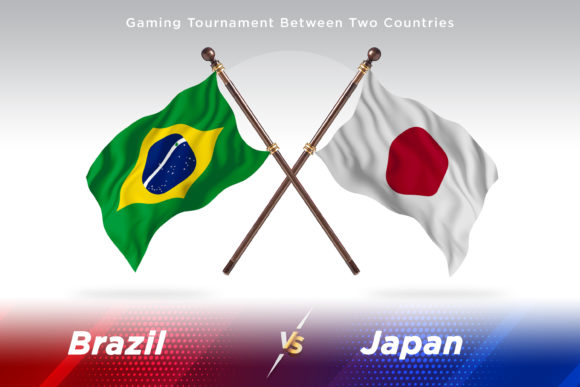
Brazil Versus Japan Two Flags typically refers to a visual composition where the national flags of Brazil and Japan are presented side-by-side or in contrasting positions. These illustrations are often used in digital media, print materials, and educational resources to symbolize cultural differences, geographic diversity, or international relationships between the two countries. The flags are usually rendered in 3D, waving dynamically against an isolated background to enhance realism and engagement.
Such designs are particularly valuable when you're creating content that involves global themes—like travel guides, geopolitical discussions, sports events (especially in football/soccer), or cross-cultural marketing campaigns. The ability to isolate each flag on its own layer and edit via smart objects makes these assets incredibly flexible for designers using Adobe Photoshop.
Why People Use Brazil Versus Japan Flag Comparisons
Designers and educators often use these types of illustrations to:
- Create engaging visual stories about different cultures and regions.
- Develop promotional materials for international events or products.
- Enhance presentations with clear, symbolic imagery that represents both countries.
- Design merchandise like t-shirts, posters, or banners featuring both flags.
- Illustrate historical or political comparisons in academic settings.
With formats such as PSD, JPEG, and PNG included, users have the freedom to adapt the flags for various platforms—from websites and social media to print and video backgrounds. The resolution (4500 x 3000 px) ensures that the images remain crisp and professional at any scale.
Common Mistakes When Working with Country Flag Assets
Despite the usefulness of these illustrations, many users make avoidable mistakes when choosing or applying them. Here are some common errors and why they matter:
1. Using Incorrect or Low-Quality Flag Representations
A frequent oversight is sourcing flags from unverified or low-resolution stock image sites. This can lead to blurry outputs or incorrect proportions, which might not only look unprofessional but also misrepresent the countries involved.
Example: A marketer preparing a poster for a joint event between Brazilian and Japanese companies uses a poorly scaled flag from a free image site. The result is a distorted image that looks amateurish and could even offend viewers sensitive to national symbols.
Better Approach: Always verify the source and ensure the flags meet official specifications. For Brazil Versus Japan Two Flags, choose assets that clearly state they are based on official country flags, such as those found in comprehensive flag bundles.
2. Overlooking Layer Organization and Smart Object Features
Some users download flag assets without understanding the structure of the file. Not utilizing smart objects or well-organized layers can limit customization options and slow down your workflow.
Example: A designer wants to change the background color behind the Japanese flag in a layered PSD file but finds the flag locked within a complex group, making edits difficult and time-consuming.
Better Approach: Opt for assets that are clearly labeled and structured. In Brazil Versus Japan Two Flags bundles, each flag should be on its own layer, named properly, and editable via smart objects. This allows for quick adjustments without compromising quality or detail.
3. Ignoring Cultural and Political Sensitivity
Flags are powerful symbols. Misusing them—such as placing one flag above another inappropriately or altering colors—can unintentionally send the wrong message or cause offense.
Example: A blogger creates a post titled "Brazil vs. Japan: Which Culture is Better?" and places the Brazilian flag prominently over the Japanese one, potentially causing controversy among readers.
Better Approach: Be respectful and intentional in how you present flags. If using a versus format, consider whether the context justifies it or if a more neutral comparison (like side-by-side) would be better suited for your purpose.
4. Not Checking for Licensing and Usage Rights
Many people assume all flag images are public domain, but this isn’t always true. Some illustrations may carry restrictions, especially when they include additional elements like 3D effects or stylized backgrounds.
Example: A small business owner downloads a Brazil Versus Japan Two Flags JPEG to use on product packaging but later discovers the asset requires attribution or commercial license approval.
Better Approach: Before downloading or purchasing any flag-related design asset, check the licensing information. Choose assets explicitly marked as royalty-free or commercial-use-friendly to avoid legal issues later.
How to Choose the Right Flag Asset for Your Project
Whether you’re designing for a client, personal brand, or educational platform, selecting the right flag illustration is crucial. Here’s what to look for before making a decision:
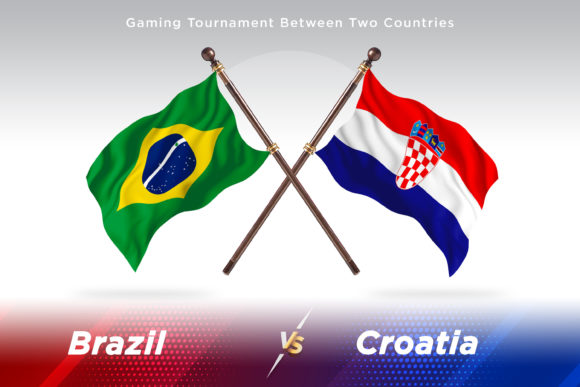
- Official Accuracy: Ensure the flags match the official versions from their respective governments. Brazil's flag includes the green field, yellow diamond, blue circle with stars, and the orange-yellow-green band with the national motto. Japan's flag features a white background with a red circle centered precisely.
- Resolution and Format: High-resolution files (like 4500 x 3000 px) are ideal for large-scale printing or digital displays. Having access to multiple formats (PSD, JPEG, PNG) gives you flexibility depending on your project needs.
- Layered Structure: Look for assets with organized layers and smart object support. This makes editing much easier and preserves the integrity of the original design.
- Isolated Background: An isolated background means the flags don't come with distracting elements, allowing you to place them seamlessly into your own compositions.
- Additional Customization Options: Some packages allow you to request other flags not included in the bundle. This is helpful if your project expands beyond the initial scope.
Practical Applications of Brazil Versus Japan Two Flags
Here are a few real-world scenarios where a Brazil Versus Japan Two Flags illustration could be beneficial:
- International Business Reports: Compare market trends or cultural insights between Brazil and Japan using a visually appealing flag layout.
- Travel Blogs: Highlight the contrast between South American and East Asian destinations with a dynamic flag illustration.
- Graphic Design Projects: Incorporate the flags into a logo, banner, or infographic to represent collaboration or competition.
- Educational Materials: Use the flags to teach geography, history, or cultural studies in a way that's both informative and engaging.
- Sports Event Branding: Showcasing flags of competing teams or countries adds authenticity and excitement to sports-related visuals.
Final Tips for Getting the Most Out of Flag Illustrations
To maximize the value of your Brazil Versus Japan Two Flags illustration, keep the following in mind:
- Always confirm the accuracy of the flag details before finalizing your design.
- Use the smart object feature in Photoshop to maintain scalability and clarity during edits.
- Respect cultural norms when positioning or modifying the flags.
- Store the files in an organized manner so you can easily retrieve and reuse them for future projects.
- If you need flags not included in the bundle, reach out to the creator or seller for assistance. Many offer custom additions or alternative packs.
By avoiding common pitfalls and focusing on quality, accuracy, and usability, you can create compelling visuals that reflect professionalism and respect for the cultures represented.
So whether you're an educator planning a lesson, a designer crafting a new logo, or a marketer building a campaign around international themes, having access to Brazil Versus Japan Two Flags with high resolution and smart object support can streamline your work while enhancing the visual appeal of your final output.